Losing a tooth can affect more than appearance. Depending on its position, tooth loss may influence chewing, speech, neighbouring teeth, and confidence when smiling. Dental Implants are one option for replacing missing teeth by providing support for a dental crown, bridge, or selected full-arch restoration.
For patients in Hebbal, Karnataka, implant treatment begins with determining whether the mouth and supporting bone provide suitable conditions for treatment.
How Dental Implants Work
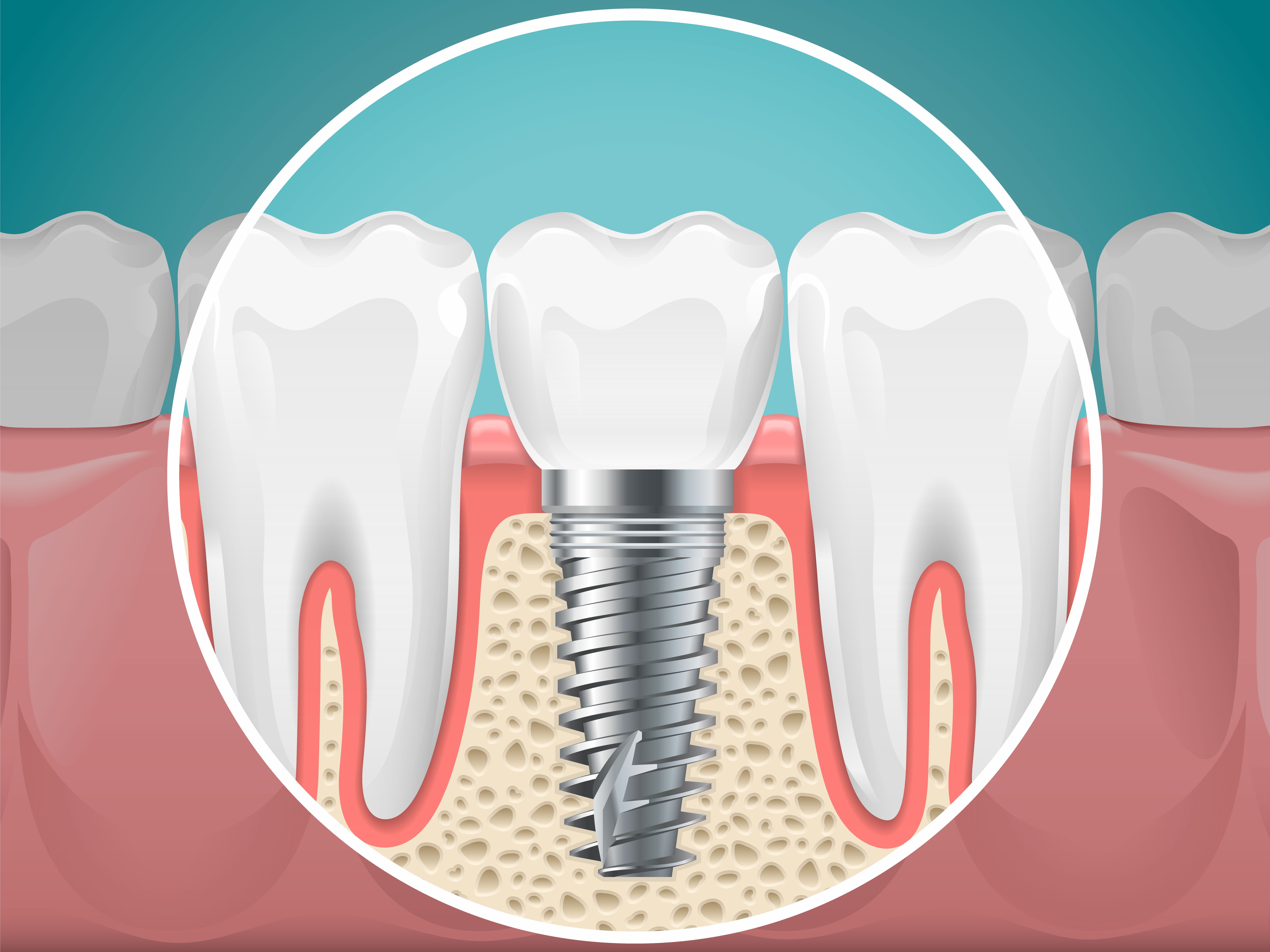
A dental implant is typically a biocompatible fixture positioned within the jawbone. After appropriate healing, it can support a prosthetic tooth or other dental restoration.
Assessment commonly includes an oral examination and dental imaging. The dentist evaluates bone availability, gum health, remaining teeth, bite, medical history, and the location of important anatomical structures.
Some patients may require additional procedures such as bone augmentation before or during implant placement.
Benefits of Dental Implants
When appropriately planned, implants can provide several advantages:
- Fixed replacement of selected missing teeth
- Support for chewing function
- Replacement without necessarily preparing neighbouring healthy teeth
- Support for bridges or selected full-arch restorations
- Natural-looking restorative possibilities
Suitability must be assessed individually.
Dental Implant Procedure and Recovery
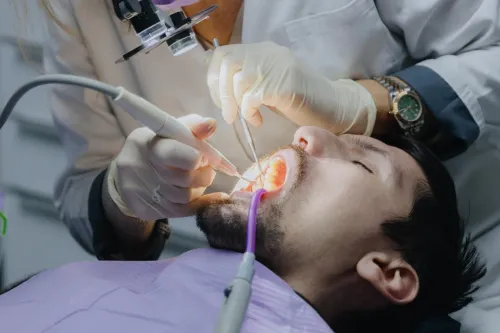
Implant placement is normally performed using local anaesthesia. The implant is positioned according to the planned site and the gum is managed appropriately.
Initial postoperative swelling, tenderness, or minor bruising can occur. Many patients return to routine activities relatively quickly, although this depends on the complexity of surgery.
Bone integration generally requires considerably longer than the initial soft-tissue recovery. Final restoration timing therefore varies between patients.
Risks Associated With Dental Implants
Potential complications include infection, implant failure, gum or bone problems, mechanical complications, and injury to nearby structures. Implant treatment in the upper jaw can also require consideration of sinus anatomy in relevant areas.
Smoking, uncontrolled gum disease, inadequate oral hygiene, insufficient bone, and certain health factors can affect treatment outcomes.
Dental Junction can assess patients in Hebbal who have one or multiple missing teeth and discuss whether implant treatment is suitable.
Care Before and After Dental Implants
Existing dental infections and active periodontal disease should be managed appropriately before implant treatment.
After surgery, follow instructions concerning oral hygiene, diet, medication, and activity. Once restored, implants require regular brushing and careful interdental cleaning just like other dental restorations.
Long-term professional reviews are important for monitoring surrounding gum and bone health.
Frequently Asked Questions
How Long Does Dental Implant Treatment Take
The overall process can take several months when bone healing is required. Timing varies according to the implant site and additional procedures.
Are Dental Implants Permanent
Implants can function for many years, but no implant should be presented as guaranteed for life. Oral hygiene, gum health, smoking, bite forces, medical factors, and maintenance affect longevity.
Can Everyone Receive Dental Implants
No. Bone condition, oral health, medical history, age-related factors, medications, and individual anatomy must be assessed.
Is Implant Surgery Painful
Local anaesthesia is generally used during placement. Temporary postoperative soreness and swelling can occur afterward.
A comprehensive implant assessment helps determine whether Dental Implants are appropriate and whether any preparatory dental or bone treatment is required before placement.
Keywords