Losing a tooth can seem like a small dental problem at first, especially when the gap is toward the back of the mouth. Over time, however, a missing tooth can affect chewing, neighbouring teeth, bone support, and even the way a person feels about smiling. This is why Dental Implants are commonly considered when a long-term replacement for missing teeth is needed.
For people in Ganganagar, understanding how an implant works is useful before deciding whether it fits their dental needs.
What Exactly Is a Dental Implant?
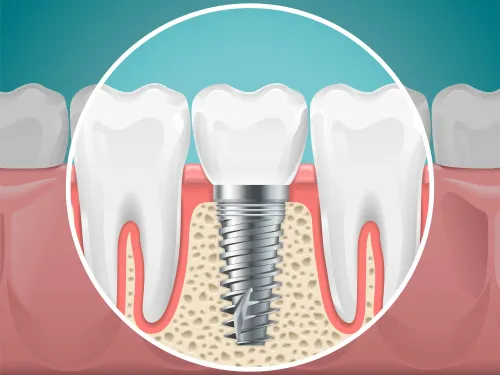
A dental implant is an artificial tooth root placed into the jawbone. Once it integrates with the surrounding bone, it can support a dental crown that replaces the visible part of the missing tooth.
Unlike a removable replacement, an implant is designed to remain fixed in position. It does not depend on neighbouring healthy teeth for primary support.
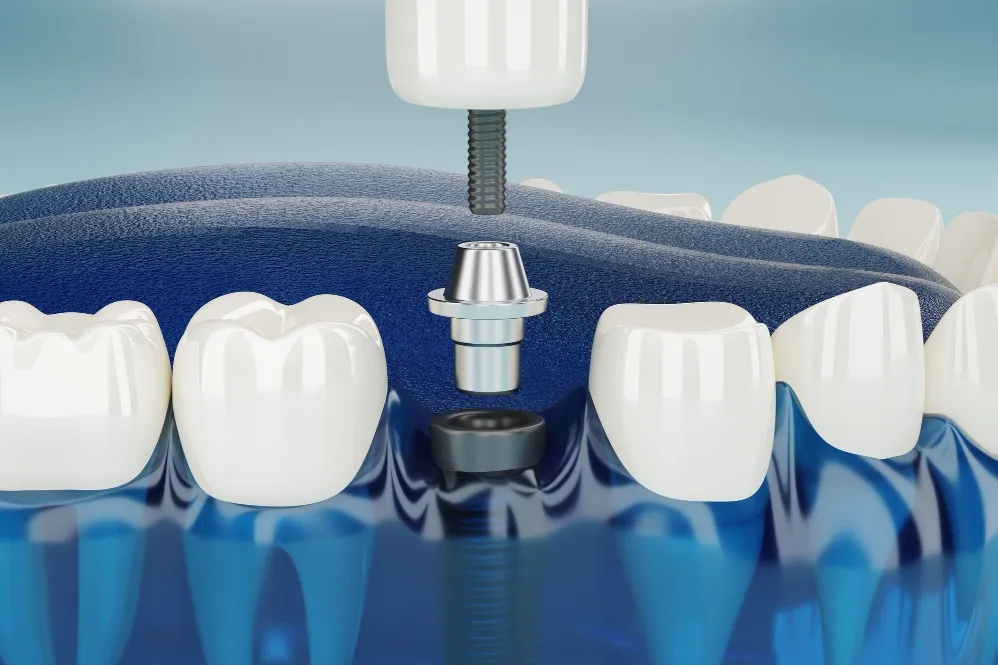
A typical implant restoration has three main components:
- An implant placed within the jawbone
- An abutment connecting the implant and restoration
- A crown designed to resemble the missing tooth
The treatment is planned according to the condition of the gums, available bone, bite, neighbouring teeth, and overall oral health.
Why Replacing a Missing Tooth Matters
A missing tooth leaves more than an empty space.
Teeth beside the gap may gradually move toward it. The opposing tooth can also shift because it no longer has normal contact during biting. Chewing patterns may change, causing a person to rely more heavily on one side.
Another consideration is the jawbone. Natural tooth roots transfer chewing forces to the surrounding bone. When a tooth is lost, that stimulation is reduced and the bone in the area can gradually change.
Replacing the tooth can therefore help restore both appearance and everyday function.
Who May Be Suitable for Implant Treatment?
Not everyone with a missing tooth automatically receives an implant. A dental assessment is required first.
Factors generally considered include:
- Gum health
- Jawbone volume and quality
- Number and position of missing teeth
- Bite alignment
- Oral hygiene
- Existing dental conditions
- Certain medical and lifestyle factors
Some people may require additional treatment before implant placement if there is insufficient bone or active gum disease.
How Long Does the Process Take?
Implant treatment is usually completed in stages rather than in one appointment.
After the implant is placed, time is generally allowed for the bone to heal around it. The final restoration is planned after adequate healing and stability have been achieved.
The exact timeline differs between patients. Trying to compare implant treatment only by the number of appointments can therefore be misleading.
Do Dental Implants Look Natural?
The visible restoration can be designed according to the shape, shade, size, and position of surrounding teeth. This is particularly important when an implant replaces a front tooth.
Function matters just as much as appearance. Proper planning considers how the new tooth contacts the opposite teeth and fits into the overall bite.
Caring for an Implant After Treatment
Implants do not develop tooth decay in the same way as natural teeth, but the gums and bone surrounding them still require care.
Daily brushing, cleaning around the implant, regular dental examinations, and professional cleaning remain important. Gum inflammation around an implant should not be ignored.
Patients considering Dental Implants in Bengaluru can benefit from having the entire mouth evaluated rather than focusing only on the visible gap. At Dental Junction, implant planning can include an assessment of the missing tooth area, surrounding gums, available bone, and bite before treatment options are discussed.
A well-planned replacement is ultimately about restoring comfortable function while protecting the health of the surrounding mouth.
Keywords