Dental technology has advanced significantly over the past decade, making many procedures more precise and comfortable than before. One innovation that has transformed several aspects of oral healthcare is Dental Laser Treatment. Lasers are now used in selected dental procedures to improve accuracy while reducing discomfort and supporting faster healing in suitable cases.
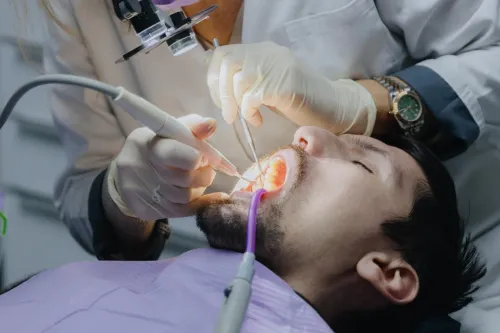
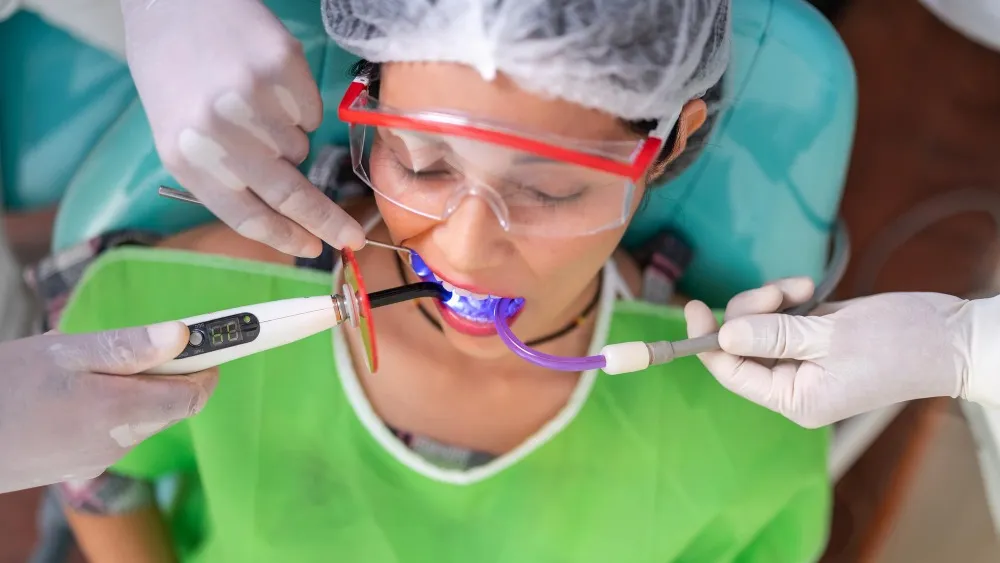
A dental laser uses concentrated light energy to treat specific hard and soft tissues inside the mouth. Depending on the procedure, lasers may be used for gum treatments, cavity preparation, soft tissue reshaping, infection management, and certain cosmetic procedures. However, laser dentistry is not intended to replace every conventional dental technique. Instead, it serves as an additional tool that dentists use when clinically appropriate.
Some common applications of dental laser treatment include:
- Managing gum disease
- Treating gum inflammation
- Removing infected soft tissue
- Reshaping gum contours
- Treating mouth ulcers
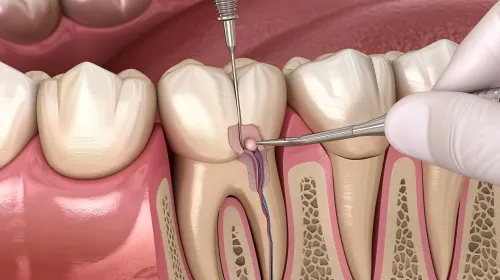
- Assisting selected root canal procedures
- Reducing bacteria around infected areas
One of the reasons many patients ask about laser dentistry is the possibility of greater comfort during treatment. In certain procedures, laser technology can reduce bleeding, minimise swelling, and preserve more healthy tissue compared to conventional methods. The precision of the laser also allows dentists to work on targeted areas with minimal impact on surrounding tissues.
Recovery after laser-assisted procedures is often smoother for many patients. Since lasers can help seal small blood vessels during treatment, some procedures involve less bleeding and may require fewer sutures. Healing time, however, still depends on the individual's health, the type of procedure, and following post-treatment instructions carefully.
Although dental lasers offer many advantages, they are not suitable for every dental condition. Traditional instruments may still be the preferred choice for certain restorative procedures, complex surgeries, or situations where laser technology does not provide additional clinical benefits. A detailed examination helps determine whether laser-assisted treatment is appropriate.
Patients should also understand that successful treatment depends on proper diagnosis rather than technology alone. An experienced dentist selects the most suitable technique based on the patient's oral health needs instead of choosing a treatment simply because it is newer.
Across Bengaluru, including Hebbal, Ganganagar, Munnireddypalya, Ashwath Nagar, and Sultanpalya, patients are becoming more aware of advanced dental technologies that improve precision and patient comfort. Asking questions during a consultation helps individuals understand which treatment methods are best suited to their condition.
Dental Junction incorporates laser technology into selected procedures where clinical evidence supports its benefits. The clinic carefully evaluates each patient's diagnosis before deciding whether laser-assisted treatment offers an advantage over conventional dental techniques, ensuring that treatment recommendations remain focused on long-term oral health rather than technology alone.
Dental laser treatment represents an important advancement in modern dentistry, but it works best when combined with accurate diagnosis, personalised treatment planning, and good oral hygiene. Understanding its benefits and limitations enables patients to make informed decisions about their dental care.
Keywords