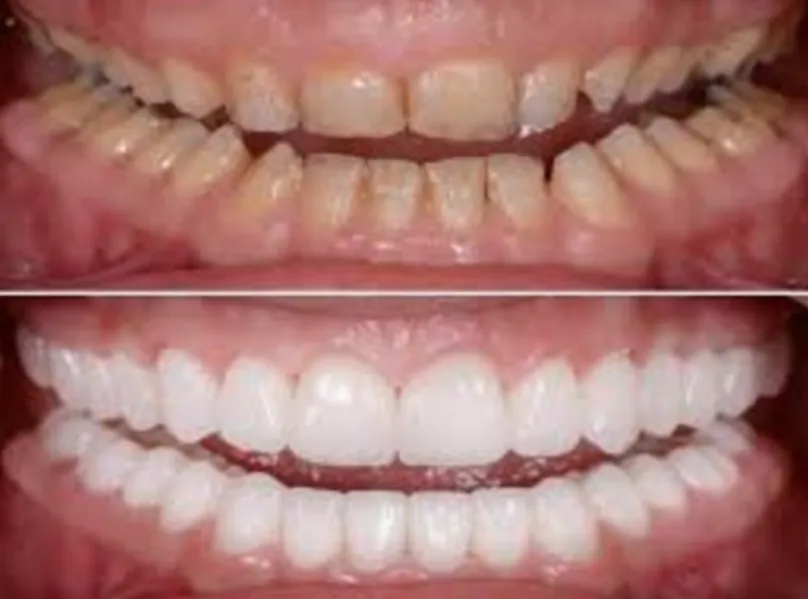
Dental problems do not always occur one tooth at a time. Some people have several worn, broken, missing, heavily restored, or weakened teeth together. Others develop difficulty chewing because years of dental changes have altered their bite. In these situations, treating individual teeth without considering the whole mouth may not address the underlying functional problem.
Full Mouth Rehabilitation takes a broader approach by planning treatment across multiple areas of the mouth.
What Does Full Mouth Rehabilitation Mean?
It is not one single dental procedure.
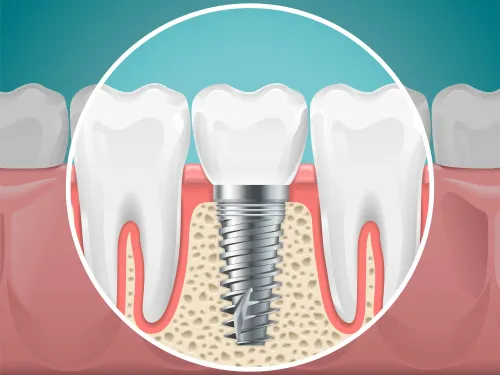
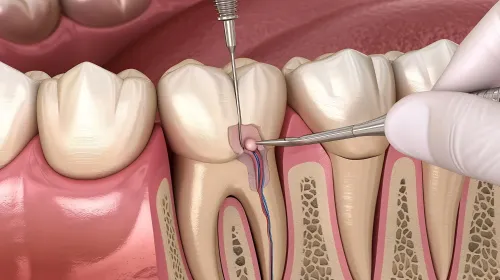
Instead, it is a coordinated treatment plan that may combine different restorative, periodontal, implant, endodontic, orthodontic, or cosmetic procedures according to the patient's needs.
The objective is usually to improve several connected factors such as:
- Chewing ability
- Tooth stability
- Bite relationships
- Missing teeth
- Damaged teeth
- Gum health
- Tooth appearance
- Long-term maintainability
Two people requiring extensive dental care may therefore receive completely different treatment plans.
When Might Comprehensive Rehabilitation Be Considered?
A dentist may discuss comprehensive treatment when dental problems affect several teeth or different parts of the mouth simultaneously.
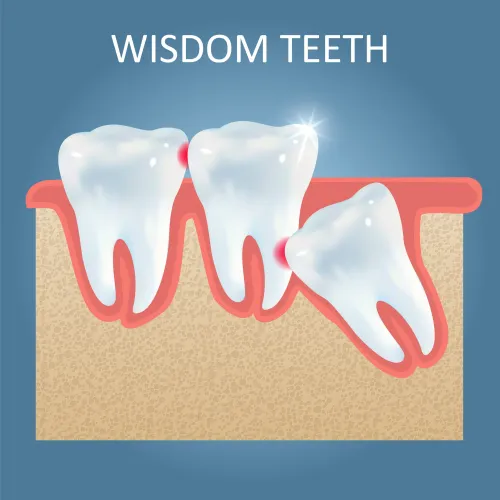
Examples can include extensive tooth wear, multiple missing teeth, several failing restorations, damaged teeth, long-standing bite problems, or combinations of these concerns.
Some people also seek an evaluation after repeatedly treating individual dental problems without achieving comfortable overall function.
Why Is the Bite Important?
A tooth does not work independently. Upper and lower teeth contact each other repeatedly during chewing and other jaw movements.
If restorations are planned without considering these relationships, certain teeth may receive excessive forces.
For this reason, comprehensive rehabilitation commonly involves careful examination of:
- Existing bite contacts
- Tooth position
- Jaw relationships
- Remaining tooth structure
- Areas of excessive wear
- Previous crowns and bridges
- Missing tooth spaces
The goal is to create a treatment sequence in which individual restorations work together.
Does Every Tooth Need Treatment?
No.
The term 'full mouth' can sound as though every tooth must be crowned or replaced. That is not necessarily the case.
Healthy teeth should be preserved whenever appropriate. The actual treatment depends on what the examination, imaging, and functional assessment reveal.
A rehabilitation plan may involve treating several teeth while monitoring or preserving others.
Why Is Treatment Usually Completed in Stages?
Complex dental treatment requires sequencing.
Active gum disease, infections, badly damaged teeth, or other urgent conditions may need attention before definitive restorations are planned.
Temporary restorations can sometimes be used during the process to evaluate function and appearance before final treatment is completed.
This staged approach also gives both the patient and dental team opportunities to review progress.
What Should Patients Understand Before Starting?
Anyone considering extensive dental reconstruction should understand the purpose of each proposed procedure rather than viewing the plan as one large package.
Useful questions include what needs immediate attention, what can be preserved, what alternatives exist, how maintenance will work, and what the expected treatment sequence will be.
This is particularly relevant for adults and seniors in Bengaluru managing several dental concerns after years of restorations, missing teeth, or gradual wear.
At Dental Junction, patients from Sultanpalya can undergo a comprehensive dental evaluation when several problems need to be considered together.
Thoughtful Full Mouth Rehabilitation begins with understanding how the entire mouth functions before deciding how individual teeth should be treated.
Keywords