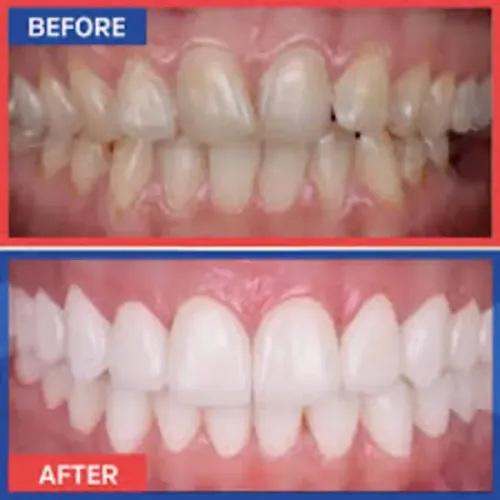
A smile can look different because of tooth shape, spacing, colour, alignment, gum levels, missing teeth, or previous dental work. This is why improving a smile is rarely as simple as making every tooth whiter.
Smile Design takes a broader view by considering how individual teeth work together within the overall smile.
For patients considering cosmetic dental care, careful planning is particularly important because aesthetic preferences are highly personal.
What Does Smile Design Evaluate?
A cosmetic dental assessment may consider several elements, including:
- Tooth colour
- Tooth proportions
- Alignment
- Spacing
- Tooth wear
- Existing restorations
- Gum levels
- Symmetry
- Visible tooth display while smiling
The dentist also considers oral health. Cosmetic treatment should not hide active decay, gum disease, or other untreated dental problems.
Does Smile Design Mean Veneers?
Not necessarily.
This is one of the most common misconceptions.
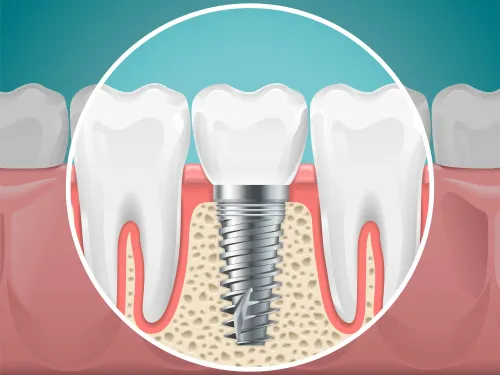
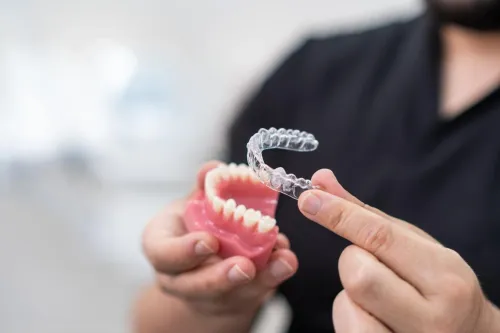
Smile Design describes a planning approach rather than one specific procedure. Depending on what a patient wants to change, treatment might involve whitening, orthodontic movement, bonding, gum treatment, restorations, replacement of missing teeth, or a combination of procedures.
Some patients may need only minor changes.
Why Is Natural Appearance Important?
An attractive smile does not require every tooth to look identical.
Natural teeth have variations in shape, translucency, texture, and position. Making restorations excessively white, bulky, or uniform can create an artificial appearance.
Good aesthetic planning therefore considers the patient's existing features rather than applying the same smile template to everyone.
What Should You Discuss During Consultation?
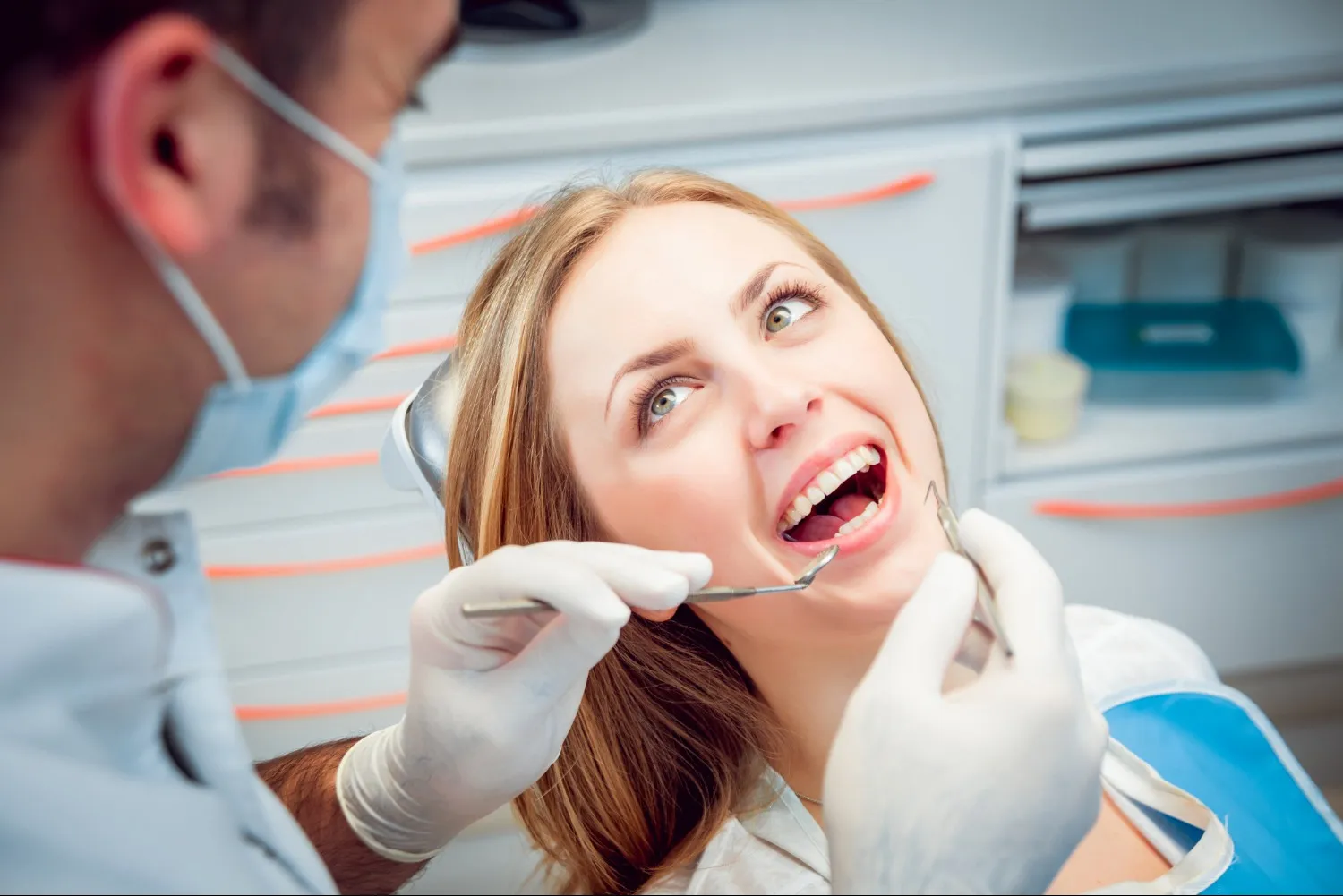
A useful cosmetic consultation should go beyond saying, 'I want a better smile.'
Be specific about what bothers you.
Is it the colour of the teeth? A gap? Uneven edges? Crowding? Old restorations? Excessive gum display?
Also explain what you do not want changed.
Some patients prefer subtle improvements that preserve the character of their existing smile. Others want more noticeable changes.
Photographs, digital records, models, and other planning methods may help communicate these expectations depending on the proposed treatment.
Health Comes Before Cosmetic Changes
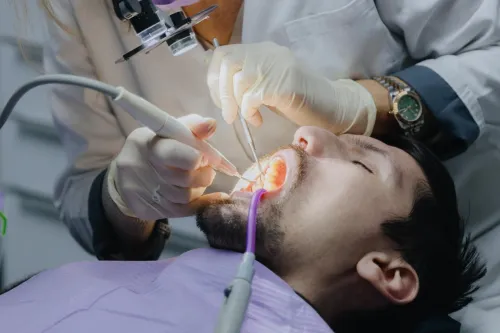
Before beginning elective aesthetic procedures, the dentist should evaluate the condition of the teeth and gums.
For example, whitening is not a substitute for treating decay. Veneers should not be used simply to disguise every alignment issue. Gum inflammation should be addressed before definitive cosmetic restorations are planned.
This health-first approach can also influence the longevity and maintainability of the final result.
How Do You Choose a Clinic for Cosmetic Dental Planning?
Look for a consultation process that discusses options rather than immediately recommending a single cosmetic procedure.
Patients should understand what changes are achievable, which parts of the natural teeth can be preserved, what maintenance will be required, and whether treatment is reversible.
For individuals in Ganganagar, Dental Junction provides an opportunity to discuss aesthetic concerns within the context of overall dental health.
Effective Smile Design is not about creating the same smile for everyone. It is about identifying which details matter to the individual and planning dental changes that remain appropriate for their teeth, gums, bite, and preferred appearance.
Keywords