A missing tooth does not automatically call for an implant, and the number of gaps is only one part of the decision. By comparing replacement options, understanding the treatment stages, and reviewing the clinical factors that affect healing and maintenance, you can approach a consultation with realistic questions.
Key takeaways
- An implant can replace one tooth without reducing adjacent healthy teeth.
- Compare bone condition, treatment time, maintenance, and cost before choosing.
- Expect assessment, possible bone grafting, implant placement, healing, and crown fitting.
- Smoking, uncontrolled diabetes, gum disease, and bone loss can affect suitability.
Which patterns of tooth loss make an implant worth considering?
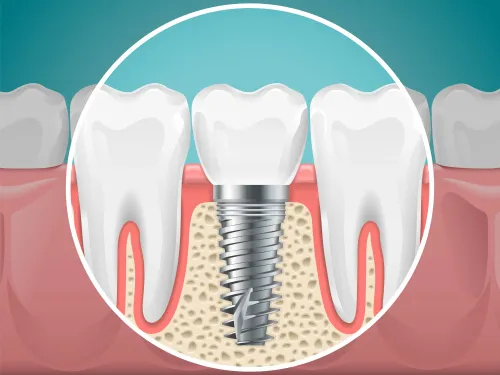
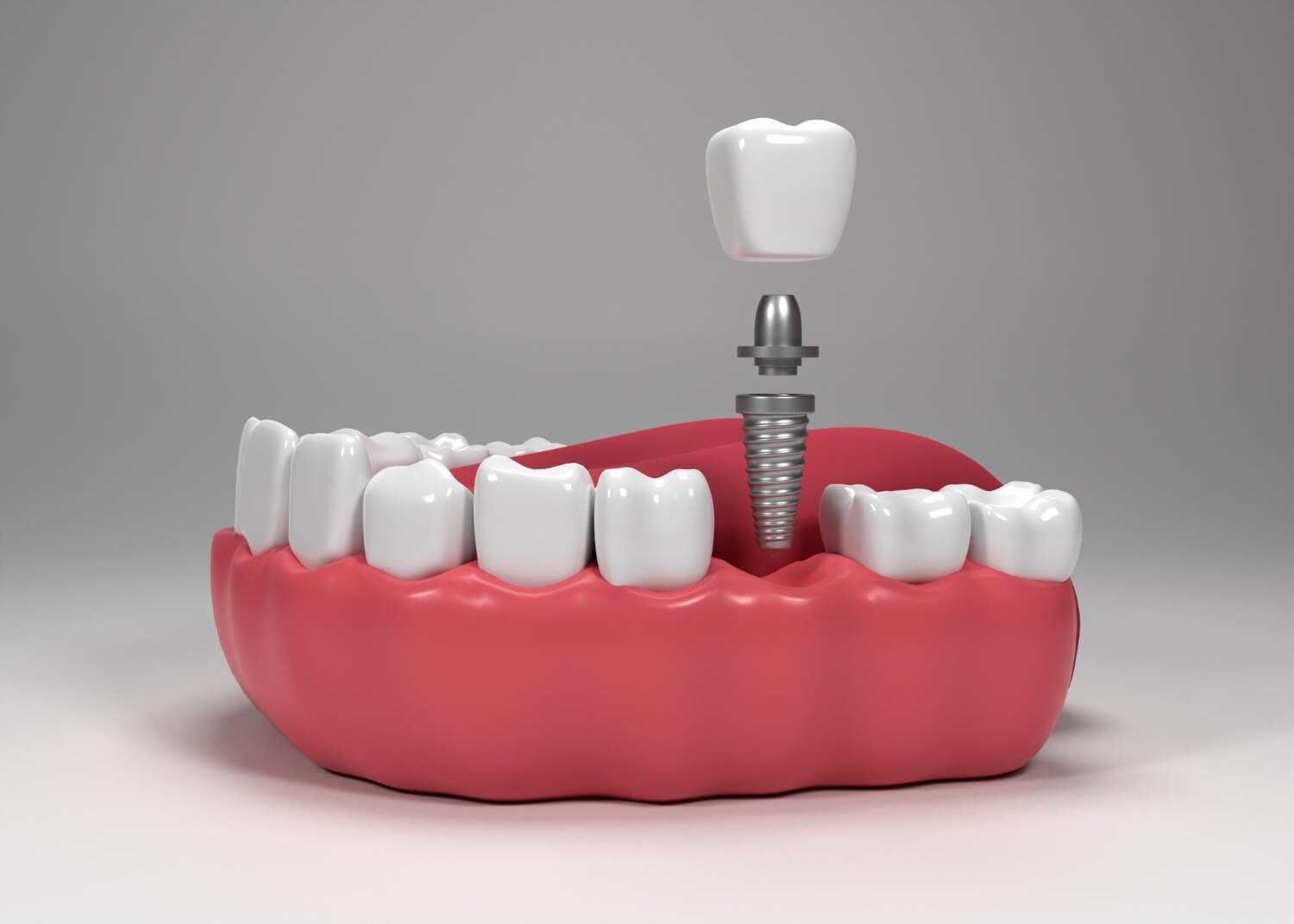
One missing tooth can be replaced with an implant-supported crown without cutting down the adjacent teeth for crowns. The implant replaces the tooth root in the jawbone, while an abutment and crown restore the visible portion.
| Pattern of tooth loss | Possible restoration | What affects the choice |
|---|---|---|
| one missing tooth | Implant-supported crown | A front-tooth gap raises appearance concerns; a molar gap faces greater chewing forces. |
| several adjacent missing teeth | Implant-supported bridge | Two or more implants can support several replacement teeth, so one implant is not required for every tooth. |
| multiple non-adjacent missing teeth | Separate implant crowns, a mixed implant and natural-tooth restoration, or a removable partial denture | The location of each gap, the condition of nearby teeth, cleaning demands, and budget shape the design. |
| complete arch dental implants | Implant-supported denture or fixed full-arch restoration | The remaining teeth, jawbone, bite, maintenance ability, and budget determine whether a removable or fixed option fits. |
An implant becomes less attractive when nearby teeth are strong, healthy, and easy to use as bridge supports, or when surgery, healing time, and long-term cleaning around implants do not suit you.
It becomes more attractive when you want to avoid preparing healthy adjacent teeth or need support where remaining teeth cannot reliably carry a bridge.
The number of gaps does not determine eligibility. Gum disease, bone volume, bite forces, smoking, medical conditions, oral hygiene, and the health of remaining teeth must also be assessed.
How do implants compare with a bridge, partial denture, or leaving the gap?
An implant-supported crown avoids cutting down healthy neighboring teeth, but it involves surgery, a healing period, and lifelong cleaning around the gum. An implant versus dental bridge decision therefore weighs biological cost against treatment time, stability, maintenance, and repair access.
| Option | Invasiveness and time | Effect on nearby teeth | Maintenance, cost, and repairs |
|---|---|---|---|
| Conventional fixed bridge | No implant surgery; treatment is usually faster because there is no bone-integration period | The supporting teeth are reshaped and remain attached to the restoration | Clean under the bridge; the cost includes work on the support teeth, and failure or decay there can affect the whole bridge |
| Implant-supported crown | Surgical placement followed by healing before the final crown; a temporary tooth may be needed | Leaves neighboring healthy teeth intact | Clean around the gum and implant; higher initial effort and cost may buy independent repair or replacement if the crown fails |
| Removable partial denture | Usually avoids implant surgery and can replace several teeth; fitting may take less time | Uses remaining teeth and gum for support without cutting them down for crowns | Remove for cleaning; it may move during chewing, and adjustments or replacement add ongoing appointments |
| Leaving a missing tooth untreated | Avoids treatment, surgery, healing, and immediate expense | Adjacent teeth may drift or tilt into the space | Chewing, appearance, and bone at the extraction site can change; later replacement may require added treatment |
Leaving a missing tooth untreated is less concerning in some locations and bites than in others. Choose after considering chewing demand, appearance, bone changes, cleaning ability, and whether future repairs can be managed.
What does implant treatment involve from extraction to the final tooth?
The implant fixture sits in the jawbone. An abutment connects it through or above the gum, and the visible restoration is a crown for one tooth, a bridge for several teeth, or a denture for a larger area.
1. Examination and planning identify the tooth or teeth to remove, the available bone, gum conditions, bite, and the restoration required.
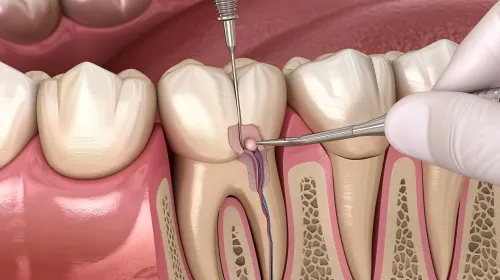
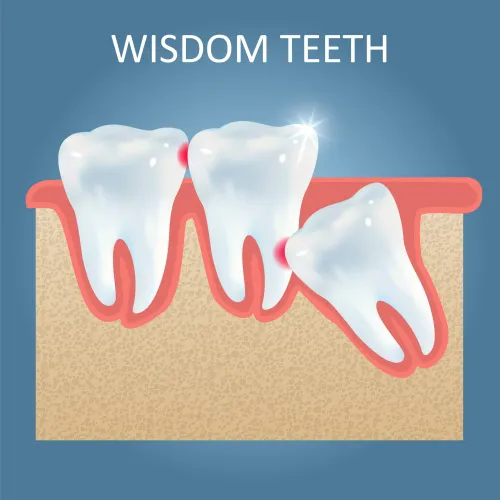
2. Extraction is completed if a damaged or infected tooth cannot be retained. The clinician then decides between immediate implant placement and delayed placement after the socket heals.
3. Immediate implant placement requires suitable socket anatomy, primary stability, and manageable infection and soft-tissue conditions. If those factors are absent, placing the fixture later can provide a safer foundation.
4. The implant fixture is placed in the jawbone. A temporary tooth may be fitted during healing, including an immediate temporary tooth after extraction in selected cases, but it must not overload an unstable implant.
5. Healing allows bone integration around the fixture. Selected cases use earlier loading; others require several months before the final tooth can be connected.
6. The abutment is placed through or above the gum once the implant is ready to support the restoration.
7. The final crown, bridge, or denture is fitted, adjusted for bite and appearance, and checked for cleaning access.
The plan depends on each site, not simply the number of missing teeth. A single implant can follow one timeline while another site needs delayed placement, bone treatment, or a different restoration.
How do clinicians decide whether an implant is suitable?
A dental implant suitability assessment checks whether your mouth and general health can support safe, predictable healing, cleaning, and years of follow-up—not simply your age or the number of missing teeth.
1. Review your medical history and medications, including diabetes control, smoking, immune problems, and drugs that affect healing or bone. Poorly controlled diabetes can delay wound healing and increase infection risk; smoking raises healing and complication risks. Children with incomplete jaw growth are usually deferred because later growth can leave an implant out of position.
Adult age alone is not the deciding test.
2. Examine your gums, remaining teeth, and plaque control. Active untreated gum disease, uncontrolled decay, infection, or poor oral hygiene needs treatment first. The link between gum disease and dental implants matters: inflammation can progress from peri-implant mucositis to peri-implantitis, bone loss, and implant failure.
3. Check your bite, chewing forces, jawbone volume, and bone quality. Heavy grinding or an unstable bite can overload the restoration. A panoramic dental X-ray shows both jaws; cone-beam computed tomography provides three-dimensional detail when bone dimensions, the mandibular nerve, or the maxillary sinus need closer assessment.
4. Confirm that you can attend reviews, maintain daily cleaning, and complete treatment. Missed follow-up can allow small problems to become loosening, infection, or failure.
What extra procedures and long-term care should you include in the decision?
After tooth loss, jawbone can shrink in width, height, and density, leaving too little support for stable placement. Bone grafting for dental implants may rebuild a deficient site; in the upper back jaw, a sinus lift can create room when the maxillary sinus sits too close to the ridge.
Either procedure can add a separate healing period, and neither guarantees that implant placement will later be possible.
The commitment continues after the crown, bridge, or denture is fitted. Implants cannot develop cavities, but plaque can inflame the surrounding gum and bone, causing peri-implantitis, bone loss, or implant failure. Peri-implantitis prevention depends on brushing twice daily, cleaning under and around the restoration, controlling smoking and diabetes, and keeping professional reviews.
Include these points in the treatment plan:
- Healing stages before placement and before the final restoration
- The dental implant maintenance schedule, including professional cleaning and routine examinations
- Instructions for cleaning beneath bridges or around removable components
- Access for tightening or replacing loose or fractured parts
- Warning signs such as bleeding, swelling, pain, mobility, or a change in the bite
- Alternatives if the site cannot be augmented or maintained
| Option | Extra treatment commitment | Long-term consideration |
|---|---|---|
| Implant | Surgery, healing, and possible grafting or sinus lift | Cleaning, reviews, and component repairs |
| Bridge | No implant surgery, but adjacent teeth support it | Hygiene beneath the bridge and future repairs |
| Partial denture or no treatment | Less surgery or none | Removal and cleaning, or possible tooth movement and bone loss |
At Dental Junction, use the consultation to compare these findings with a bridge, partial denture, or no treatment and leave with a staged plan rather than choosing solely because a gap exists.
Related service
Implants Dental implants are a permanent and reliable solution for replacing missing teeth. View service → |
Frequently asked questions
Which patterns of tooth loss make an implant worth considering?
An implant may suit a single missing tooth, several separate gaps, or a complete toothless arch when you want fixed replacement and have suitable bone and oral health.
How do implants compare with a bridge, partial denture, or leaving the gap?
Implants avoid preparing adjacent teeth for a bridge and provide fixed support, while bridges and partial dentures involve different compromises in tooth preparation, stability, cleaning, treatment time, and maintenance. Leaving a gap avoids treatment but can affect chewing, tooth movement, appearance, and bone volume.
What does implant treatment involve from extraction to the final tooth?
Treatment can include examination and imaging, extraction if needed, healing or immediate implant placement, implant surgery, osseointegration, abutment placement, and fitting the final crown, bridge, or denture.
How do clinicians decide whether an implant is suitable?
They assess medical history, gum health, oral hygiene, bite forces, smoking, diabetes control, available bone, sinus or nerve anatomy, and your ability to maintain the restoration.
What extra procedures and long-term care should you include in the decision?
Bone grafting, sinus lifting, gum treatment, temporary teeth, or tooth extraction can add appointments and healing time. Long-term care includes daily cleaning around the implant, professional reviews, and prompt treatment of bleeding, looseness, pain, or a damaged crown.