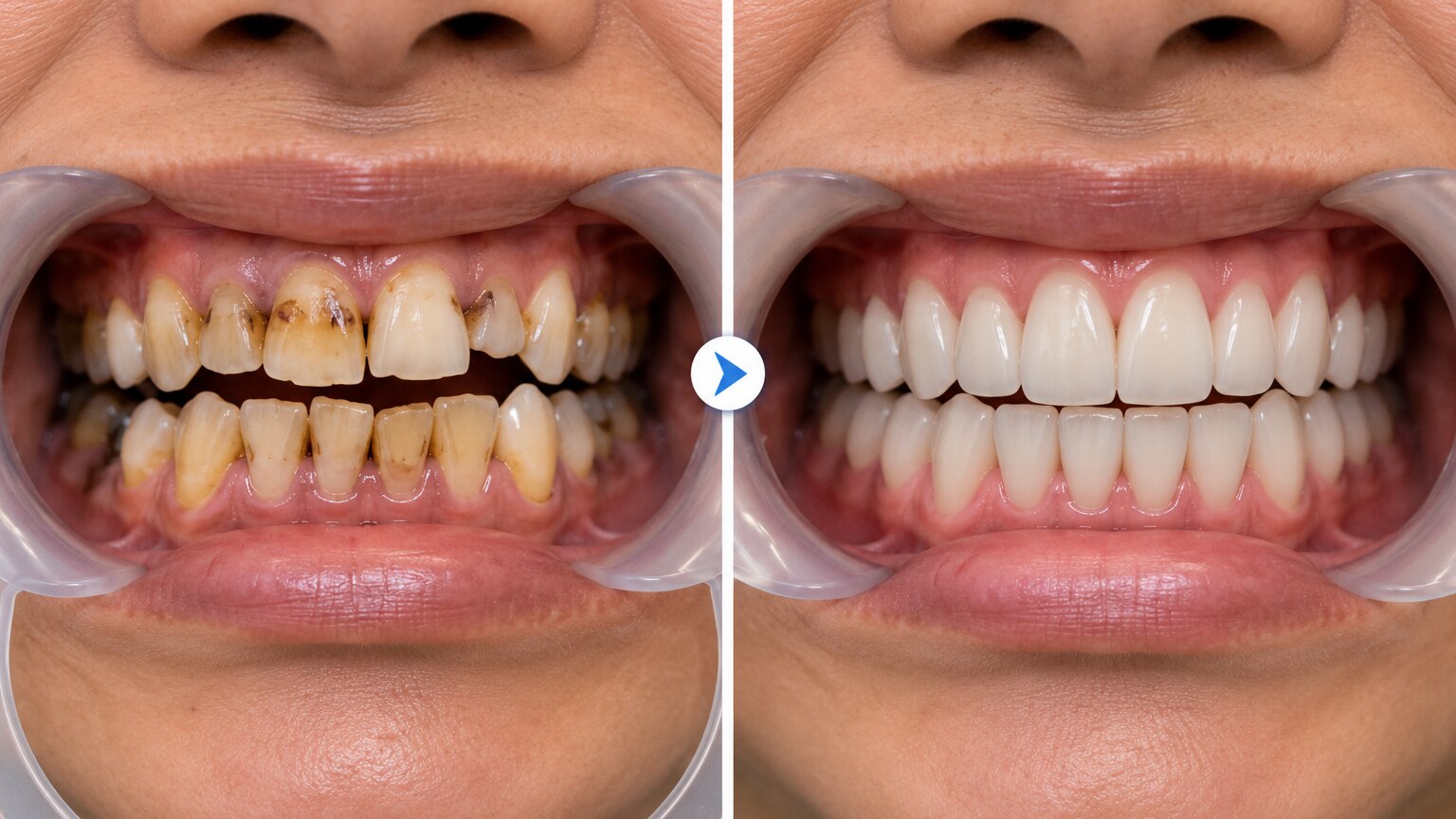
Several damaged teeth do not automatically require a complete reconstruction. The deciding issue is whether the problems share causes, affect chewing or comfort across the mouth, and can be treated more safely through one sequenced plan than through isolated procedures.
Key takeaways
- Coordinate treatment when separate repairs would leave bite or cleaning problems unresolved.
- Connect tooth wear, pain, missing teeth, gum disease, and jaw function during assessment.
- Control decay, infection, gum disease, and hygiene problems before rebuilding teeth.
- Stage rehabilitation to protect healing tissues, test the bite, and adjust the plan.
When Do Multiple Dental Problems Justify One Coordinated Plan?
A coordinated plan becomes reasonable when multiple dental problems affect how your teeth meet, chew, remain clean, or tolerate repair. The question is not how many teeth need treatment; it is whether separate procedures would leave the same underlying problem untouched or create mismatched bite contacts.
Warning signs include:
- Widespread tooth wear across several areas
- Repeated tooth fractures without a single clear injury
- Multiple missing teeth that impair chewing or allow nearby teeth to shift
- Persistent chewing difficulty on both sides
- Pain or sensitivity affecting several regions
- A bite that prevents stable, comfortable contact
When these findings overlap, one sequence may coordinate disease control, tooth rebuilding, replacement of missing teeth, and protection against further damage. That is when full mouth rehabilitation is necessary: not because every tooth must receive a restoration, but because the condition of one area affects decisions in another.
Treating each tooth separately can produce uneven contacts, repeated repairs, or a result that does not restore comfortable function.
Localized disease calls for a narrower approach. A cavity in one tooth, a single fractured crown, or gum inflammation confined to one area can often be treated selectively when the other teeth are healthy, maintainable, and functioning well. Jaw clicking, headaches, or isolated pain alone do not justify reconstruction.
The assessment must show a connected, widespread problem and a realistic benefit from coordinating care.
What Signs and Causes Does the Assessment Need to Connect?
A dentist looks for a shared mechanism, not just a mouth full of damaged teeth. Widespread wear, repeated fractures, missing teeth, severe bite problems, persistent chewing difficulty, or pain affecting several areas justify checking whether altered contacts, grinding, acid erosion, decay, trauma, gum disease, reflux, or an unsuitable old restoration connect the findings.
The assessment separates tooth wear causes: attrition from tooth-to-tooth contact, abrasion from habits or abrasive products, erosion from acids, and combinations of these. A clicking jaw, headache, or temporomandibular pain does not prove that the bite caused the symptoms, so irreversible bite changes need stronger evidence than symptoms alone.
The dentist should build the diagnosis from:
- Your medical and dental history, including reflux, diet, vomiting, medications, smoking, trauma, grinding, clenching, and previous dental work
- Periodontal charting that records pocket depths, bleeding, recession, mobility, and gum or bone loss
- Clinical photographs showing wear patterns, cracks, gum levels, tooth position, and old restoration margins
- Bite records and mounted models or digital scans showing contacts, shifts, and available space
- Periapical and panoramic X-rays to assess decay, roots, bone, infection, and missing teeth
- CBCT scans when implant planning requires three-dimensional information about bone volume, anatomy, or infection
- Examination of the jaw joints and chewing muscles, alongside tooth-by-tooth testing
Matching the damage to these records reveals whether disease is active, whether forces are uneven, and whether the cause remains uncontrolled. Rebuilding teeth before controlling acids, caries, gum disease, or bruxism invites another failure.
Which Problems Must Be Controlled Before Teeth Are Rebuilt?
Control infection and inflammation before rebuilding teeth. Active infection before dental treatment must be identified and controlled, alongside uncontrolled decay, active gum disease, and urgent pain. Placing crowns, bridges, implants, or cosmetic restorations over untreated disease can trap bacteria, worsen bone loss, and shorten the restoration’s life.
A practical priority sequence is:
- Drain or treat infection and relieve urgent pain.
- Stabilise uncontrolled decay with temporary or definitive fillings.
- Complete periodontal charting to measure pocket depths, bleeding, recession, mobility, and bone support.
- Begin periodontal therapy and improve plaque control before final margins are placed.
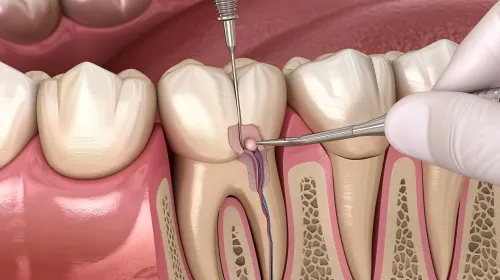
- Complete root canal treatment planning for teeth with pulpal disease, while checking whether each tooth is restorable.
One coordinated plan can then assign each problem to the treatment that solves it:
| Treatment | Main role | When it fits |
|---|---|---|
| Restorative | Rebuild damaged tooth structure | After decay is controlled and the tooth is stable |
| Periodontal | Control inflammation and preserve support | Before crowns, bridges, or implants when gum disease is active |
| Endodontic | Treat or assess infected pulp | When a restorable tooth can be saved |
| Orthodontic | Create space or improve tooth position | Before restoration or implant placement when alignment limits the result |
| Surgical | Remove hopeless teeth or prepare bone and soft tissue | When extraction, grafting, or implant preparation is required |
| Prosthetic | Replace missing structure and restore function | After disease control, healing, and confirmed support |
A root-canal-treated tooth is not automatically extracted or crowned; cracks, ferrule, periodontal support, and remaining sound structure decide its prognosis.
Why Is Full Mouth Rehabilitation Completed in Stages?
Staging prevents a healthy tooth, healing gum, or developing implant from being compromised by the next procedure. A staged full mouth rehabilitation also gives you time to confirm that the proposed bite and appearance work in daily life before the final restorations are made.
1. Control active disease first. Treat urgent infection, decay, gum inflammation, and damaged roots, then allow tissues to settle. Extract teeth with a hopeless prognosis rather than building a plan around them.
2. Plan the target result with photographs, scans, bite records, and a diagnostic wax-up. If implants are being considered, a CBCT scan for implant planning shows bone width, height, nearby nerves, and sinus position before surgery.
3. Place temporary restorations after preparation or provisional surgery. These teeth protect prepared surfaces while you test chewing comfort, speech, appearance, hygiene access, occlusal contacts, and your tolerance of the proposed bite.
4. Adjust the provisional teeth instead of accepting persistent problems. High contacts can trigger muscle or joint soreness; bulky contours can trap plaque; altered tooth length can affect speech and lip support.
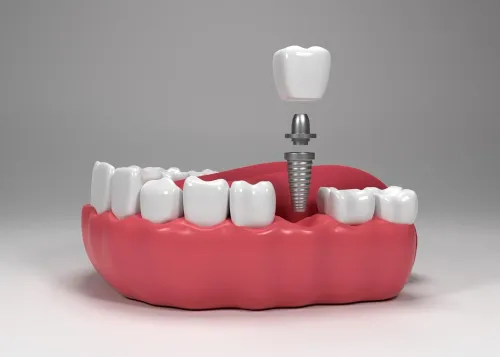
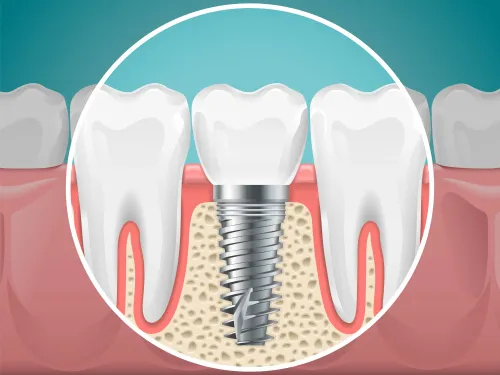
5. Allow healing and implant integration when applicable. An implant is not an automatic part of rehabilitation, and final loading waits until the site and supporting tissues are suitable.
6. Fit the final crowns, bridges, dentures, or implant restorations only after the tested design is stable. Dental Junction can coordinate this sequence when restorative, gum, surgical, and implant decisions affect one another. The final result still needs daily cleaning, professional maintenance, and protection from excessive grinding.
Related service
Full Mouth Rehabilitation Full Mouth Rehabilitation is a comprehensive dental treatment that restores the function, health, and appearance of all teeth. View service → |
How Do You Decide Whether Rehabilitation Is the Right Choice?
Choose extensive rehabilitation only when the teeth, bite, gums, and causes of damage require one coordinated plan. Multiple problems alone do not qualify: selected teeth may be enough when disease is localized, the remaining teeth are maintainable, and function can be restored without rebuilding the entire dentition.
Compare the prognosis of each tooth, simpler alternatives, cost in time, and irreversible risks before deciding.
| Option | What it means | When it applies |
|---|---|---|
| Routine care | Targeted fillings, crowns, root canals, gum treatment, or replacement of selected teeth | Problems are localized and the remaining dentition functions adequately |
| Full mouth rehabilitation vs smile makeover | Rehabilitation addresses function, disease, bite, and tooth structure; a smile makeover focuses mainly on appearance | Choose a makeover only when health and function are stable |
| Full-mouth reconstruction | A broad, coordinated rebuilding of most or all teeth; terminology is not universally standardized | Consider it when widespread structural loss makes isolated treatment unstable |
| Implant-based treatment | Implants replace missing roots but do not remove the need for prevention or hygiene | Use only after assessing bone, infection, gums, medical history, smoking, bite forces, and maintenance ability |
Before agreeing, ask:
- What is each tooth’s prognosis, and which teeth could be preserved with less treatment?
- What cause will you control, including decay, acid exposure, gum disease, or grinding?
- What are the risks of changing the bite, and what happens if temporomandibular symptoms persist?
- What does maintenance after dental rehabilitation require, including bruxism management, fluoride, diet, reviews, repairs, and eventual replacement?
Frequently asked questions
When do multiple dental problems justify one coordinated plan?
A coordinated plan makes sense when several problems affect your bite, chewing, cleaning, comfort, or the durability of individual repairs. Treating teeth separately can leave the underlying bite or spacing problem unresolved.
What signs and causes should the assessment connect?
The assessment should connect tooth wear, cracks, missing teeth, decay, gum disease, pain, jaw-joint symptoms, chewing difficulty, and changes in how the teeth meet. It should also investigate causes such as grinding, acid erosion, poor hygiene, an unstable bite, and untreated gum disease.
Which problems must be controlled before teeth are rebuilt?
Active decay, dental infection, gum inflammation, periodontal disease, poor plaque control, and unstable symptoms need attention before definitive crowns, bridges, implants, or other restorations. Otherwise, the rebuilt teeth face avoidable failure risks.
Why is full mouth rehabilitation completed in stages?
Staging allows infection and gum disease to settle, damaged teeth to heal, the bite to be tested, and temporary restorations to reveal needed adjustments before final work is placed.
How do you decide whether rehabilitation is the right choice?
Compare the number and condition of affected teeth, the cause of the damage, remaining tooth structure, gum and bone support, cleaning ability, treatment time, maintenance demands, and alternatives. Rehabilitation is appropriate when a coordinated sequence offers a more stable result than isolated repairs.