Severe tooth pain can come from an infected pulp, but a cracked tooth, gum abscess, sinus problem, impacted wisdom tooth, or non-dental condition can feel similar. You will learn which symptoms need urgent care, how dentists test the tooth, when root canal treatment can preserve it, and when extraction is the more reliable choice.
Key takeaways
- Lingering pain after hot or cold drinks can signal irreversible pulpitis.
- Seek same-day care for facial swelling, fever, or trouble swallowing.
- A dentist checks restorability, bone support, cracks, and infection before recommending a root canal.
- A crown often protects a root-treated tooth from fracture; extraction may suit an unrestorable tooth.
What kind of toothache suggests an infected pulp?
Severe toothache alone does not prove that you need a root canal. It raises concern for pulp damage when pain starts without a trigger or continues after the trigger ends. Irreversible pulpitis is a living pulp that cannot recover; pulp necrosis means the pulp has died.
- Irreversible pulpitis: Spontaneous throbbing pain, lingering heat or cold pain, night pain, and pain on biting point toward it.
- Pulp necrosis: Pain may fade after the pulp dies. A gum bump, pus, bad taste, or root tenderness can signal continuing infection.
- A cavity: Pain is usually brief and triggered by sweet foods, cold, or brushing; it stops quickly after the trigger is removed.
- A cracked tooth: Sharp pain when you bite or release the bite, often with cold sensitivity, fits a crack better than constant throbbing.
- A gum abscess: A tender gum lump that drains pus points to gum tissue, although a dead tooth can also create a bump.
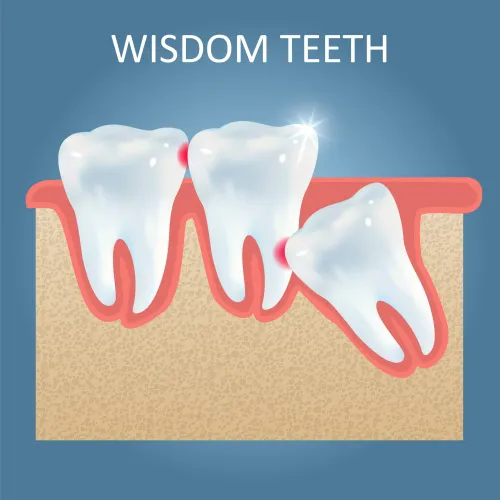
- A wisdom tooth problem: Pain and swelling behind the last molar, bad taste, or reduced mouth opening suggests inflamed tissue around a partially erupted tooth.
- Sinus pain: Congestion and pressure over several upper back teeth, worse when bending forward, favour sinus disease.
- Non-dental pain: Jaw-muscle, nerve, or ear pain lacks a reproducible response from one tooth.
No single symptom settles the diagnosis. A dentist combines your history with pulp and tooth tests and dental radiographs; early infection may not appear on an X-ray. Antibiotics alone do not remove dead or irreversibly inflamed pulp.
When does tooth pain require same-day or hospital care?
Get same-day dental assessment for a toothache with facial swelling, fever, pus, a bad taste, or a gum bump; do not wait for pain to worsen. Go to emergency hospital care immediately for difficulty swallowing or breathing, neck swelling, swelling near the eye, confusion, inability to open your mouth normally, or rapidly worsening illness.
A deep infection can spread through facial and neck tissues and threaten the airway.
A localized abscess still needs treatment of its source. Drainage, root canal treatment, or extraction removes infected material; antibiotics alone can reduce spreading infection temporarily without eliminating the infected tooth. Fever or feeling generally unwell makes antibiotics more relevant, but they do not replace dental treatment.
| Situation | Action | Why it matters |
|---|---|---|
| Tooth pain with localized swelling or pus | Same-day dentist | The abscess needs source control |
| Fever, malaise, or spreading facial swelling | Same-day urgent dental assessment | Infection is affecting more than the tooth |
| Neck swelling, breathing or swallowing difficulty, confusion, eye swelling, or restricted mouth opening | Emergency hospital care | Deeper infection can obstruct the airway |
| Pain suddenly disappears after severe symptoms | Arrange dental assessment | A dead pulp can stop hurting while infection remains |
Do not use disappearing pain as proof that the infection has resolved.
How does a dentist decide whether root canal treatment can save the tooth?
A root canal is considered when the pulp is irreversibly inflamed or dead, not simply because the tooth hurts. The dentist compares your pain history with findings from several examinations; no single result proves pulp status in every tooth.
- Cold test: brief sensitivity suggests a responsive pulp; pain that lingers after the cold is removed supports irreversible inflammation. No response can indicate pulp necrosis, but a calcified canal or poor contact can produce a false result.
- Electrical pulp testing: a response shows nerve activity, not healthy blood flow, so the result must be interpreted with the other findings.
- Percussion test: pain when the tooth is tapped suggests inflammation around the root.
- Bite test: pain when you bite or release pressure points to irritation around the root or a crack.
- Periodontal probing: a narrow, deep pocket can indicate a root fracture or another problem that weakens the case for saving the tooth.
- Dental radiograph: a dark area near the root supports apical infection, but early infection may not appear on an X-ray.
A filling suits a tooth when removing decay or a damaged restoration leaves a pulp capable of recovery.
Root canal treatment becomes more suitable when spontaneous or lingering pain, pulp necrosis, apical findings, or persistent symptoms show that the pulp will not recover—and the tooth has enough sound structure, bone support, and no untreatable fracture to restore it.
What happens during treatment, and what protection does the tooth need afterward?
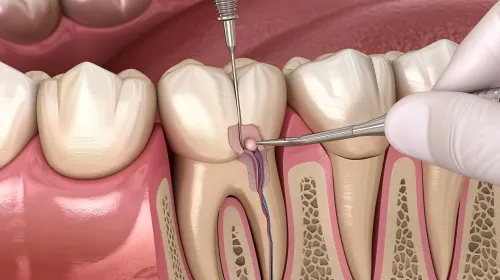
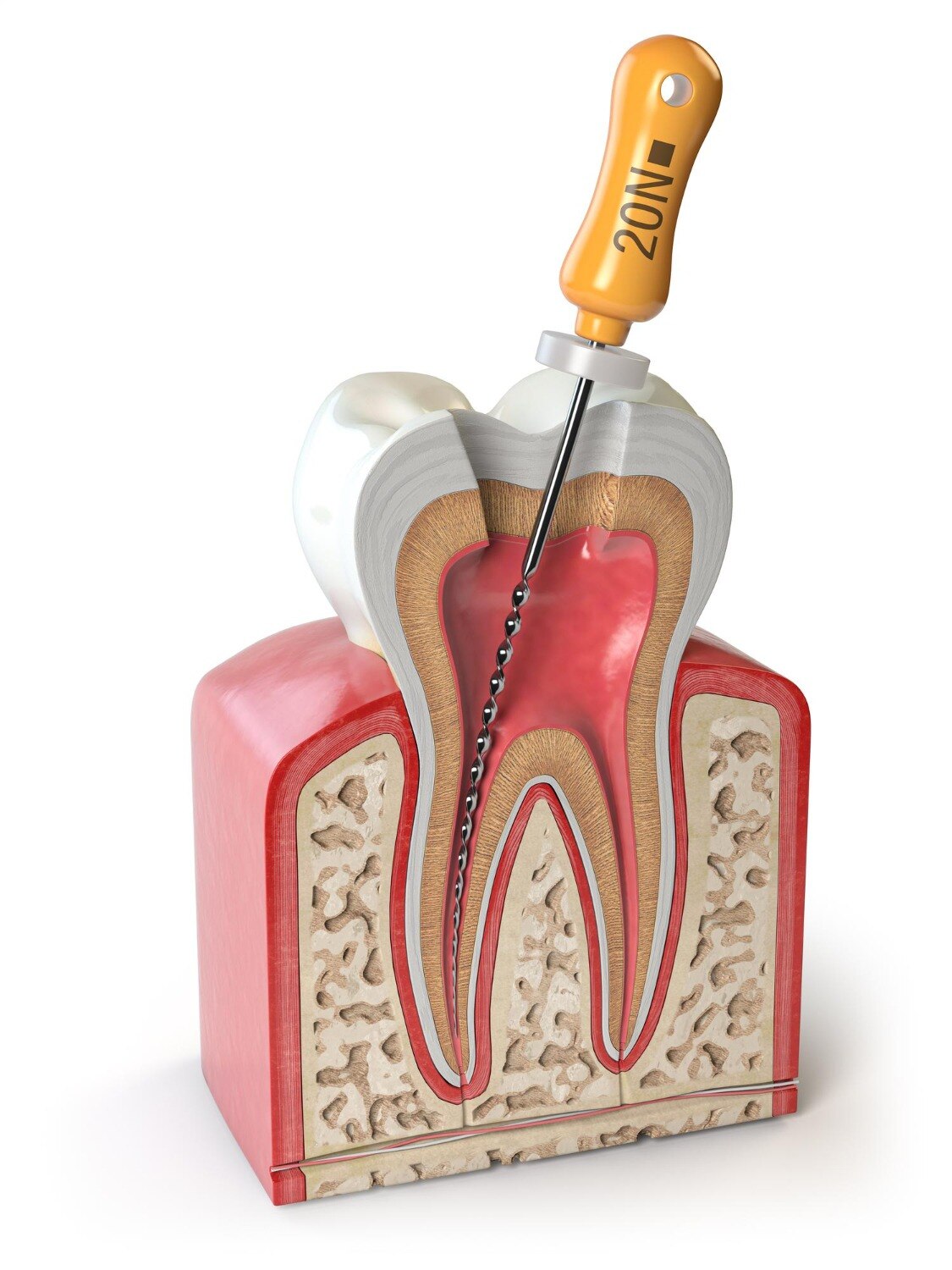
Local anaesthetic should numb the tooth before treatment begins. A dental X-ray helps confirm the root shape, infection around the root, and working length; the dentist then isolates the tooth, usually with a rubber dam, and makes an opening through the crown.
Expect these treatment stages:
- Remove the inflamed or dead pulp from the pulp chamber and root canals.
- Clean the canals with small instruments and disinfecting fluid through canal shaping and irrigation.
- Fill and seal the prepared canals so bacteria cannot readily re-enter them.
- Close the access opening with a temporary filling or permanent sealing, depending on whether the definitive restoration is fitted at that visit.
The tooth is weaker during this interval because decay, cracks, and the access opening have removed or interrupted tooth structure. Do not chew hard, sticky, or crunchy foods on it until the final restoration is secure; a fracture can make an otherwise treatable tooth unrestorable.
Arrange the permanent restoration promptly. A premolar or molar, or any tooth missing substantial structure, often needs cuspal coverage such as a crown, but the decision depends on how much sound tooth remains and where it is located.
Brush and clean between the teeth normally unless your dentist gives different instructions. Contact the dentist if swelling returns, pain worsens after the expected recovery period, the temporary filling falls out, or your bite feels uneven.
Root canal treatment does not prevent new decay or gum disease, so the restored tooth still needs daily cleaning and regular examinations.
When is extraction better than trying to preserve the tooth?
Extraction becomes more dependable when the tooth cannot be sealed, reinforced, or supported long enough to function. A restorable tooth with adequate periodontal support is usually worth preserving; a tooth with little remaining wall, deep decay below the gum, or severe mobility may not survive root canal treatment and a crown after root canal treatment.
| Finding | Why extraction may be more reliable | What may support preservation |
|---|---|---|
| Vertical root fracture | The crack permits bacterial leakage along the root and cannot be predictably sealed | Preserve only if examination shows the crack is limited to a removable portion, not the root |
| Insufficient tooth structure | There is too little sound tooth above the gum to hold a filling or crown, so the tooth can split again | Preserve if enough sound walls remain for a durable restoration |
| Severe bone or gum loss | Poor periodontal support leaves the tooth loose, even after the canals are treated | Preserve if infection-related bone loss can heal and stable support remains |
| Untreatable decay or perforation | A defect below the gum or into the root may prevent a lasting seal | Preserve if the defect can be repaired and isolated |
| Poor strategic value | A nonfunctional tooth may add treatment cost without improving chewing or the planned replacement | Preserve when it anchors a bridge or supports useful biting function |
A clinic can compare both routes using periodontal probing, mobility testing, crack tests, dental X-rays, and selective three-dimensional imaging. Ask for the predicted restorability, treatment sequence, healing outlook, crown requirement, extraction and replacement plan, and total appointments.
Dental Junction can assess the tooth, its supporting tissues, and replacement choices together, rather than judging the root canal in isolation.
Related service
Root canal Root Canal Treatment is a dental procedure used to treat infection or damage inside the tooth while saving the natural tooth. View service → |
Frequently asked questions
What kind of toothache suggests an infected pulp?
Pain that starts without a trigger or lingers after hot or cold stimulation raises concern for irreversible pulpitis. Pain can also occur after the pulp dies, but diagnosis requires dental tests.
When does tooth pain require same-day or hospital care?
Arrange same-day dental care for severe pain, facial swelling, fever, or drainage. Go to a hospital emergency department if swelling affects breathing or swallowing, spreads toward the eye or neck, or prevents you from opening your mouth.
How does a dentist decide whether root canal treatment can save the tooth?
The dentist combines your symptoms with percussion, biting, cold or electric pulp tests, dental X-rays, and an examination for cracks, decay, gum support, and remaining tooth structure.
What happens during root canal treatment, and what protection does the tooth need afterward?
The dentist removes infected pulp, cleans and shapes the canals, fills and seals them, then restores the tooth. A permanent filling or crown protects the weakened tooth, especially a back tooth.
When is extraction better than trying to preserve the tooth?
Extraction may be better when decay or a crack extends below the gum, the tooth cannot be restored, bone support is inadequate, or root canal treatment cannot predictably seal the canals.