Replacing a missing tooth is about more than restoring your smile. Missing teeth can affect chewing, speech, jawbone health, and the alignment of surrounding teeth. Among the available replacement options, Dental Implants have become a reliable long-term solution for many patients. However, choosing implant treatment should involve careful evaluation rather than making a decision based only on cost or convenience.
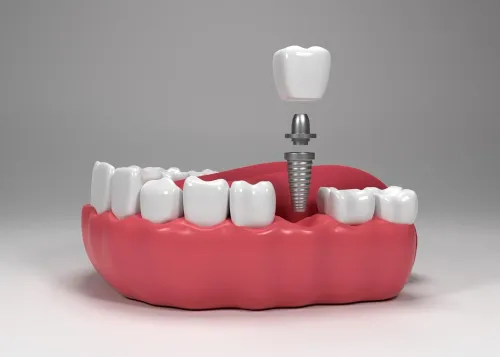
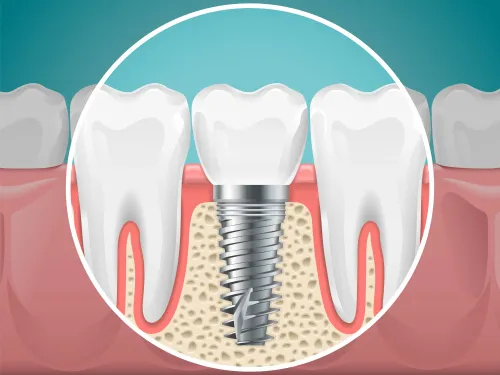
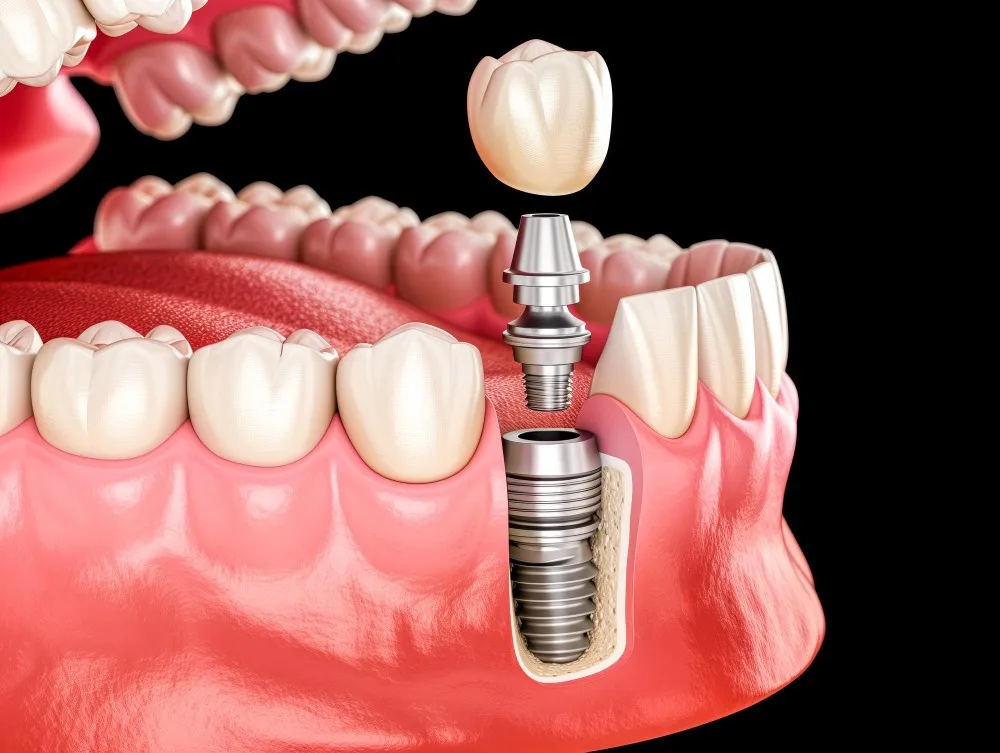
Dental implants are titanium posts placed into the jawbone to replace the root of a missing tooth. Once the implant integrates with the bone, it supports a crown, bridge, or denture that looks and functions like a natural tooth. Although implant success rates are high, proper planning is essential for achieving long-lasting results.
Before proceeding with dental implants, here are seven important factors to consider.
1. Overall Oral Health
Healthy gums and surrounding teeth create the best environment for implant treatment. Gum disease, untreated cavities, or oral infections should be addressed before implant placement to reduce the risk of complications.
2. Bone Availability
Dental implants require sufficient jawbone support. If bone loss has occurred due to long-term tooth loss or periodontal disease, additional procedures such as bone grafting may be recommended before implant placement.
3. Medical History
Certain medical conditions, medications, and lifestyle habits can influence healing after implant surgery. Sharing a complete medical history allows the dentist to plan treatment safely and appropriately.
4. Experience of the Treating Dentist
Implant treatment involves careful diagnosis, planning, and surgical precision. Choosing a clinic that performs comprehensive evaluations and uses appropriate diagnostic technology contributes to better treatment planning.
5. Treatment Timeline
Dental implant treatment is usually completed in stages. Healing between appointments is an important part of the process, and patients should understand the expected timeline before beginning treatment.
6. Long-Term Maintenance
Although implants do not develop cavities, they still require daily brushing, flossing, and regular professional cleaning. Good oral hygiene helps maintain healthy gums around the implant and supports long-term success.
7. Personal Expectations
Every patient's dental condition is different. Understanding the expected outcome, possible limitations, and available treatment alternatives helps ensure realistic expectations throughout the treatment journey.
Dental implants offer several advantages when compared with leaving a missing tooth untreated. They help preserve jawbone structure, improve chewing ability, support facial appearance, and prevent neighbouring teeth from shifting into the empty space. These functional benefits often make implants an effective long-term restorative option.
Residents across Bengaluru, including Hebbal, Ganganagar, Munnireddypalya, Ashwath Nagar, and Sultanpalya, increasingly seek implant consultations after losing one or more teeth. Early assessment often provides more treatment options before significant bone loss develops.
Dental Junction carefully evaluates bone health, gum condition, bite function, and overall oral health before recommending dental implants. Each treatment plan is developed according to the patient's individual needs, ensuring that implant placement supports both function and long-term oral health.
Choosing dental implants is an important decision that deserves careful planning. A comprehensive clinical evaluation, realistic expectations, and consistent post-treatment care all contribute to successful outcomes and a confident smile for years to come.
Keywords