A dental laser is a device category, not a single treatment: its wavelength, power and delivery method determine whether it cuts gum tissue, alters tooth structure or activates a photosensitizer. By the end, you will be able to match common gum and dental problems with realistic laser uses, understand when conventional treatment remains necessary and identify the questions that belong in a treatment discussion.
Key takeaways
- Match the wavelength to the tissue: soft tissue, pigment, water, enamel, or dentin.
- Ask whether the laser supplements scaling, root planing, or surgery rather than replacing it.
- Confirm the diagnosis, expected benefit, alternatives, risks, and total number of visits.
- Laser treatment cannot replace fillings, crowns, root canals, or other necessary conventional care.
Which gum and tooth conditions match the laser being used?
Diode, Nd:YAG and CO₂ lasers mainly suit soft-tissue work; erbium-family lasers can also remove selected enamel and dentin. Dental laser wavelengths determine whether energy is absorbed mainly by water, hydroxyapatite or pigment, so the same label does not mean the same treatment.
| Laser type | Main tissue target | Conditions or procedures it may match |
|---|---|---|
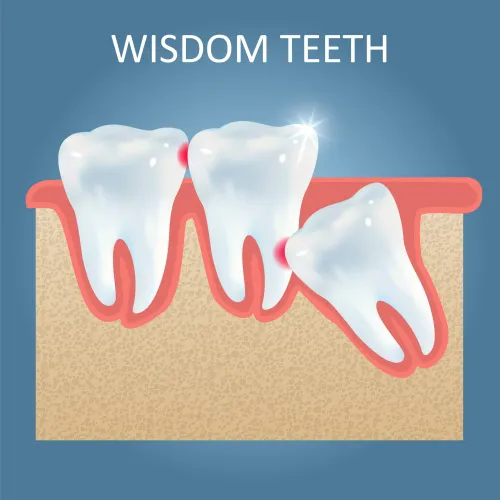
| Diode laser | Soft tissue and pigment | Gingival reshaping, frenectomy, gum overgrowth, tissue around a partially erupted tooth, selected benign lesions and bleeding control |
| Nd:YAG laser | Soft tissue and pigment | Selected gum procedures, inflamed tissue around periodontal pockets and dentinal hypersensitivity |
| CO₂ laser | Soft tissue and water | Gingival contouring, frenectomy, gum overgrowth and selected benign soft-tissue lesions |
| Erbium-family laser | Water and hydroxyapatite in hard tissue | Limited cavity preparation, removal of selected carious enamel and dentin, and some dentinal hypersensitivity procedures |
A laser’s clearance applies to one wavelength, device, setting and indication—not every dental problem. A suspicious lesion still needs examination and biopsy with pathology when indicated. Laser treatment also does not automatically replace scaling, periodontal surgery, a filling, root canal treatment or extraction.
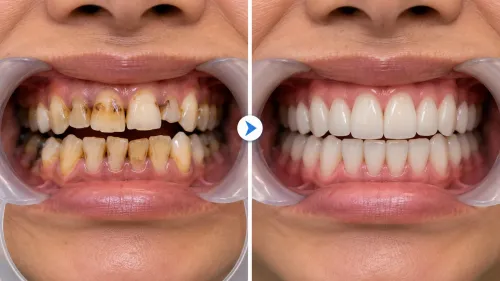
Do not confuse laser treatment with whitening. A whitening light does not independently repair decay, infection, gum disease or damaged tooth structure; it changes tooth colour rather than treating those conditions.
How laser treatment is carried out for selected gum problems
Laser gum treatment starts with measurements, not the laser. The clinician identifies whether the problem is inflammation, infection, excess tissue, or a structural restriction before choosing a wavelength and setting.
1. The clinician examines the gums, records bleeding and periodontal-pocket depths, checks tooth stability and X-rays when needed, and identifies calculus, drainage, or tissue covering a partially erupted tooth. A suspicious lesion is not automatically lasered: it requires examination, biopsy when indicated, and pathology.
2. The diagnosis determines the target. Gingivitis may involve removal of selected inflamed tissue alongside professional cleaning; a gum abscess may require drainage and treatment of its source. Periodontal pockets, gum overgrowth treatment, uneven gum contours, a restrictive frenulum, and tissue over an erupting tooth each require different tissue removal or reshaping.
3. Local anaesthetic is used when the tissue is sensitive or deeper treatment is planned. The clinician protects the area with isolation, uses suction, and keeps the laser tip moving at the selected power.
4. The laser removes, reshapes, or seals selected soft tissue. It can control bleeding, but “bloodless” does not mean risk-free: excessive heat can carbonise tissue, injure adjacent tooth structure or the pulp, and delay healing.
5. Irrigation removes debris and cools the treated area. You receive instructions for brushing, cleaning between teeth, diet, pain control, and warning signs, followed by review to assess healing and the response to treatment.
When does laser periodontal treatment add to scaling or surgery?
Laser periodontal treatment does not replace routine cleaning, scaling and root planing, or periodontal flap surgery. The phrase can describe pocket debridement, removal of inflamed pocket lining, laser-assisted calculus removal, or photodynamic therapy periodontal treatment. These are different procedures; results from one method or wavelength cannot be applied to another.
The decision depends on periodontal pockets’ depth and shape, bleeding, remaining calculus, bone loss, plaque control, and your response to initial non-surgical care.
- Shallow or moderate disease usually receives professional mechanical cleaning, scaling and root planing, plus improved daily plaque removal.
- A selected residual pocket that still bleeds after initial treatment may receive laser treatment as an adjunct, not as a substitute for instrumentation. Photodynamic therapy uses a light-activated agent and light source; it is not laser cutting, and evidence for its added benefit is mixed.
- Deep, narrow, irregular, or inaccessible defects may require periodontal flap surgery so the clinician can see and clean the root surface directly.
- A gum abscess requires drainage and treatment of its cause; directing a laser at the area alone does not remove infected contents or resolve a failing tooth.
Lasers do not remove all hardened tartar, sterilise every pocket, or guarantee bone regeneration. They cannot reverse established loss of tooth support by themselves. Smoking, plaque control, disease severity, and completion of conventional treatment affect healing, so periodontal maintenance visits and daily cleaning remain essential.
What can a laser do for a tooth—and what still needs conventional care?
An erbium hard-tissue laser can remove selected carious enamel and dentin, or assist with limited cavity preparation. Dental cavity laser treatment does not make decay treatment restoration-free: lesion depth, pulp status, and the amount of sound tooth structure determine whether you need a filling, inlay, crown, or another restoration.
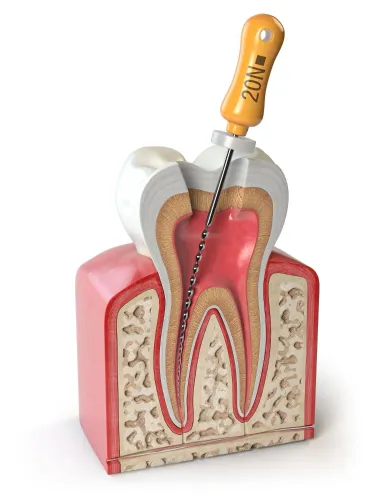
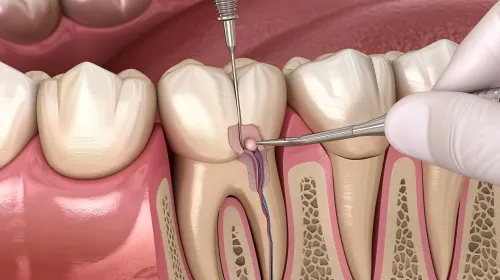
A laser cannot replace root canal treatment when decay or trauma has left the pulp irreversibly inflamed or infected. Claims about “laser root canal treatment” do not change the need to remove infected pulp, clean and seal the canals, and restore the tooth.
If cracks, decay, or loss of structure make predictable restoration impossible, extraction remains the appropriate treatment.
| Option | What it does | What it cannot replace |
|---|---|---|
| Erbium hard-tissue laser | Removes selected enamel or dentin and assists cavity preparation | A filling, crown, root canal treatment, or extraction when those are indicated |
| Dentinal hypersensitivity laser | May reduce sensitivity by altering or sealing dentinal tubules | Fluoride varnish, potassium nitrate or other desensitising agents; results vary |
| Soft-tissue laser | Cuts or reshapes gum tissue and controls bleeding during selected procedures | Scaling, polishing, periodontal treatment, or diagnosis of disease |
A dentinal hypersensitivity laser is not automatically better than fluoride or desensitising products; cost, cause, and response should guide the choice. Routine cleaning removes plaque and calculus, polishing removes surface stain, and whitening lightens tooth colour. None treats decay, pulp infection, or gum disease.
What should you ask before accepting a dental laser procedure?
Ask for the exact wavelength, procedure and target before agreeing. “Dental laser” describes equipment, not a diagnosis-specific treatment, and laser treatment risks include heat injury, delayed healing and incomplete removal.
1. What wavelength and settings will you use, and what is the procedure called: soft-tissue reshaping, pocket debridement, calculus removal or photodynamic therapy?
2. Which condition are you treating, and what measurable benefit should I expect—reduced pocket depth, less bleeding, tissue removal or relief of sensitivity?
3. What is the conventional alternative, such as scaling and root planing, surgery, a filling or root canal treatment? Will the laser replace it or only supplement it?
4. How many visits are planned? Ask whether local anaesthetic, isolation, suction or conventional instruments remain necessary.
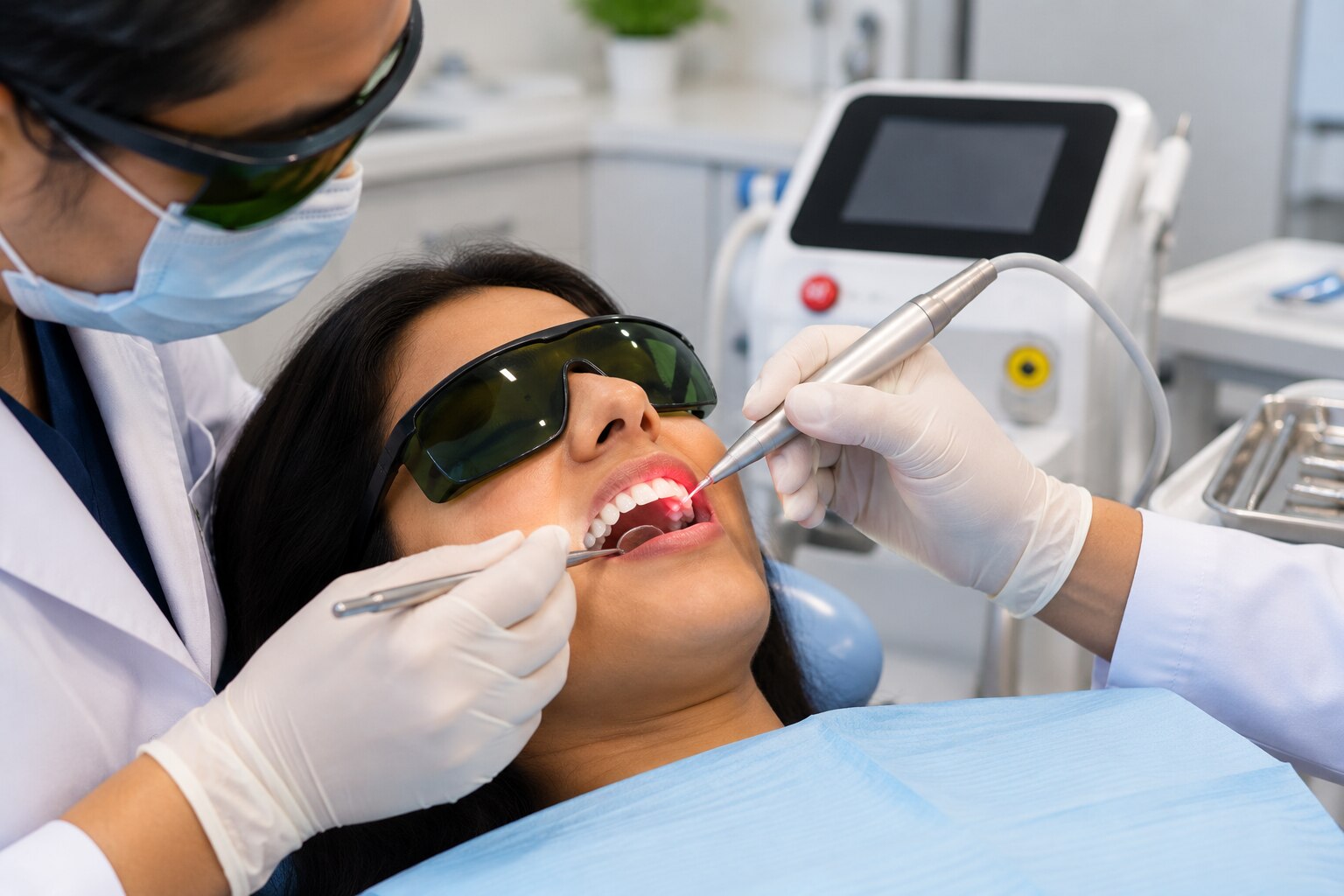
5. What laser eye protection will you use? Wavelength-specific laser eye protection must cover the patient and clinical team; reflective instruments and surfaces also require control under laser dental safety procedures.
6. For gum disease, what are my pocket depths, bleeding scores, bone-loss findings and plaque-control problems? Ask exactly how you will remove calculus before deciding that a laser is needed.
7. What aftercare, heat-injury warning signs and follow-up maintenance schedule apply?
A dental laser consultation at Dental Junction should compare your diagnosed condition with the full treatment plan, not the presence of laser equipment. Treat claims such as “painless,” “bloodless,” “sterilises pockets” and “no filling needed” as warning signs unless the dentist defines the procedure, evidence and limits.
Related service
Lazer Treatments Laser dental treatment is a modern and minimally invasive procedure used to treat various dental and gum conditions with greater precision. View service → |
Frequently asked questions
Which gum and tooth conditions match different dental lasers?
Diode, Nd:YAG, and CO₂ lasers mainly suit soft-tissue procedures. Erbium-family lasers can also treat selected enamel and dentin because their energy interacts strongly with water and mineral tissue.
How is laser treatment carried out for selected gum problems?
The dentist examines and measures the gums, selects a wavelength and settings, protects the eyes, and directs the laser along the targeted tissue. Treatment may include local anaesthetic, irrigation, and follow-up cleaning or review.
When does laser periodontal treatment add to scaling or surgery?
Laser treatment can target inflamed or pigmented soft tissue in selected periodontal cases, but it does not automatically replace scaling, root planing, oral hygiene, or periodontal surgery. Ask what added outcome it is expected to provide.
What can a laser do for a tooth, and what still needs conventional care?
An erbium-family laser can remove selected enamel or dentin and prepare some tooth surfaces. A laser does not replace every filling, crown, root canal, extraction, or restoration.
What should you ask before accepting a dental laser procedure?
Ask for the diagnosis, laser wavelength, treatment goal, evidence for your condition, alternatives, risks, discomfort, number of visits, aftercare, and what conventional treatment remains necessary.