Deciding to straighten your teeth is only the beginning of orthodontic treatment. The more important question is how the teeth and bite need to be corrected. Braces remain an established orthodontic option because fixed appliances can provide controlled movement across a wide range of alignment problems.
For patients researching orthodontic care in Bengaluru, choosing treatment should involve more than comparing how different appliances look.
Start With the Problem Being Corrected
Two smiles that appear similarly crowded may have very different orthodontic requirements.
One patient may primarily need alignment of front teeth. Another may have crowding combined with bite discrepancies, rotated teeth, spacing, or jaw relationship concerns.
An orthodontic assessment can evaluate:
- Tooth alignment
- Available space
- Bite relationships
- Jaw development
- Gum health
- Existing restorations
- Missing teeth
- Overall facial and dental relationships
Treatment should be selected after these factors are understood.
Why Fixed Braces Are Still Relevant
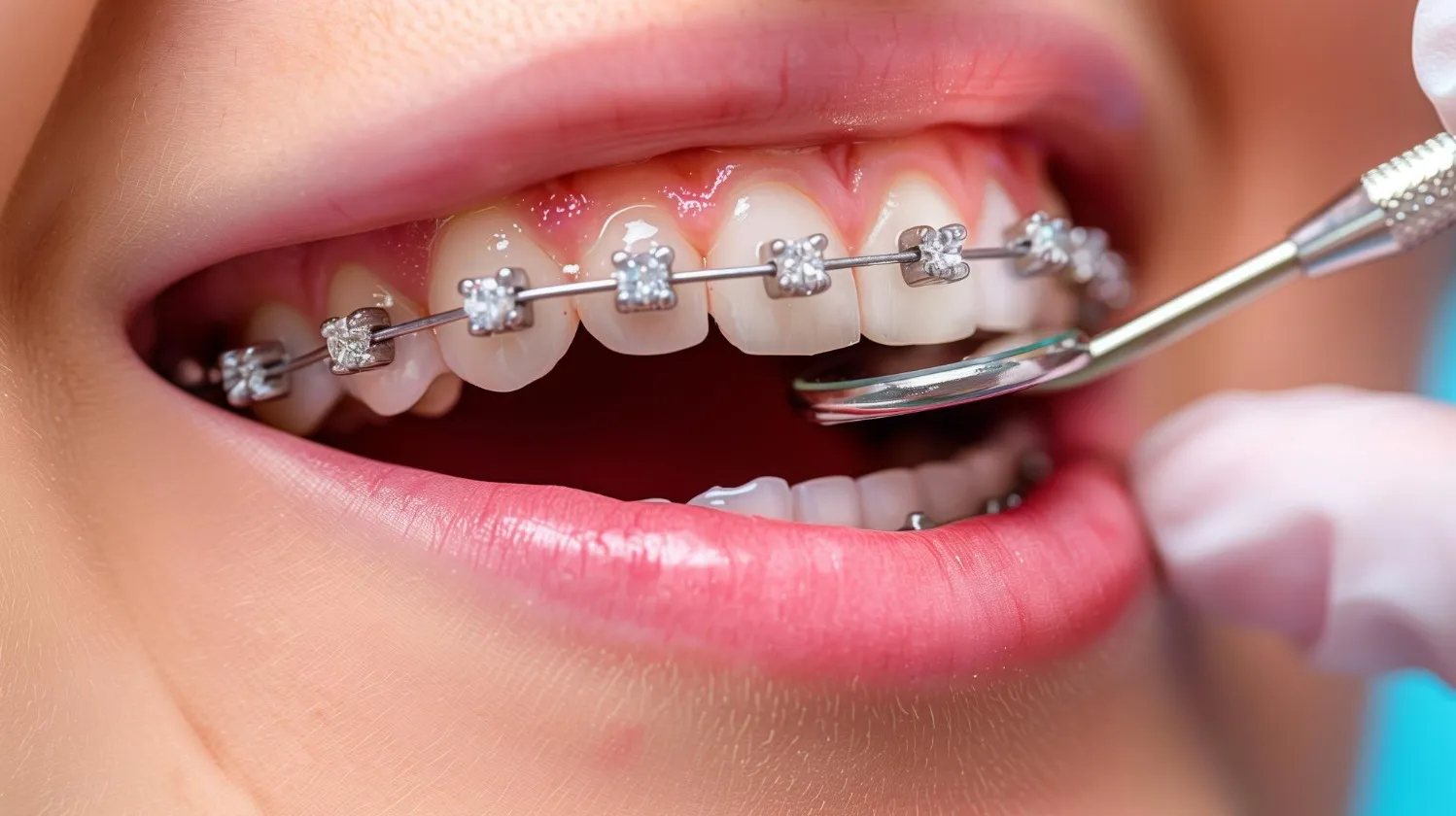
Fixed orthodontic appliances use brackets attached to the teeth and an archwire that helps guide tooth movement.
Because the appliance remains on the teeth, treatment does not depend on the patient remembering to insert it every day.
This can be helpful in cases requiring consistent force application.
Different types of fixed orthodontic appliances may also be available depending on clinical requirements and aesthetic preferences.
What Should You Consider Before Starting?
Treatment Complexity
The type and extent of tooth movement required can influence which orthodontic method is suitable.
Appearance
Some patients are comfortable with conventional metal appliances, while others place greater importance on a less noticeable treatment option.
Oral Hygiene
Brackets and wires create additional areas where plaque and food can accumulate. Careful brushing and interdental cleaning become especially important.
Eating Habits
Certain hard and sticky foods may damage orthodontic components. Patients need to follow food-related instructions during treatment.
Appointment Commitment
Orthodontic treatment requires periodic review and adjustment. A realistic schedule should be considered before beginning.
How Long Do Braces Take?
There is no responsible single treatment duration for every patient.
Timing depends on factors such as the original tooth positions, complexity of the bite, treatment objectives, biological response, and cooperation with instructions.
Minor alignment and comprehensive bite correction should not be expected to follow identical timelines.
What Happens After Braces Are Removed?
Retention is essential.
Teeth can gradually shift after orthodontic movement. Retainers help maintain the new position while the surrounding tissues adapt.
Patients should therefore consider retention part of orthodontic treatment rather than an optional extra after the braces come off.
What Makes an Orthodontic Provider Suitable?
A useful consultation should explain what needs correction, which treatment approaches are appropriate, expected responsibilities during treatment, and how retention will be managed.
Dental Junction provides orthodontic assessment for children, teenagers, and adults from Ashwath Nagar and other parts of Bengaluru.
Choosing braces should ultimately be based on achieving appropriate tooth movement and a functional bite. Appearance and convenience matter, but they work best as part of a treatment decision grounded in proper orthodontic diagnosis.
Keywords