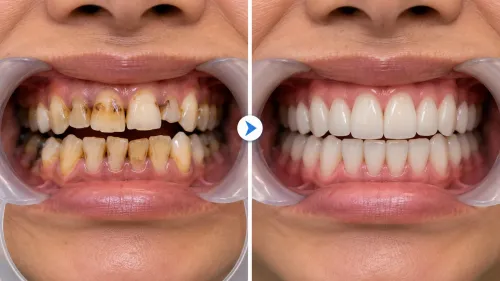
Multiple missing teeth, worn enamel, broken restorations, bite problems, and difficulty chewing can sometimes occur together. In these situations, Full Mouth Rehabilitation may be considered to restore oral function through a coordinated treatment plan.
For patients in Ashwath Nagar, Karnataka, it is important to understand that full-mouth rehabilitation is not one procedure. It combines different treatments according to the condition of the teeth, gums, bite, jaw, and supporting structures.
What Full Mouth Rehabilitation Can Include
Planning begins with a comprehensive dental examination. The dentist assesses remaining teeth, existing crowns or fillings, gum health, missing teeth, bite relationships, and jaw function.
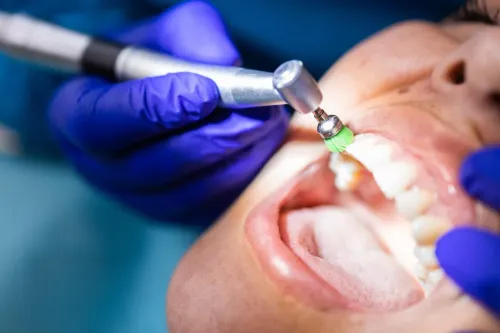
Treatment may involve:
- Tooth fillings
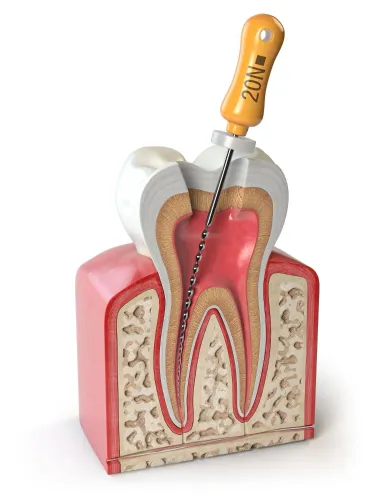
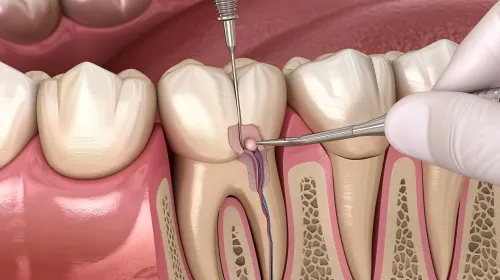
- Root canal therapy
- Crowns and bridges
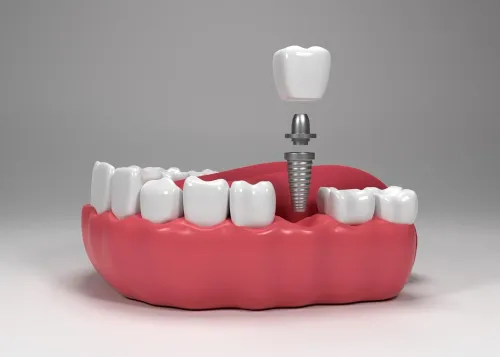
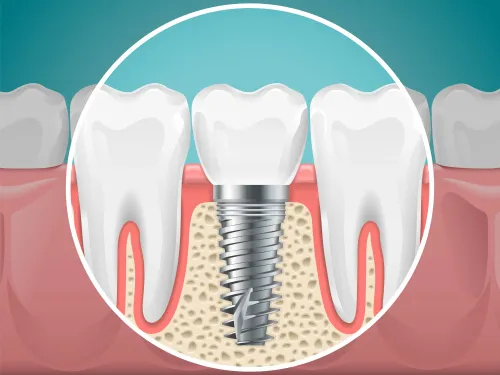
- Dental implants
- Periodontal treatment
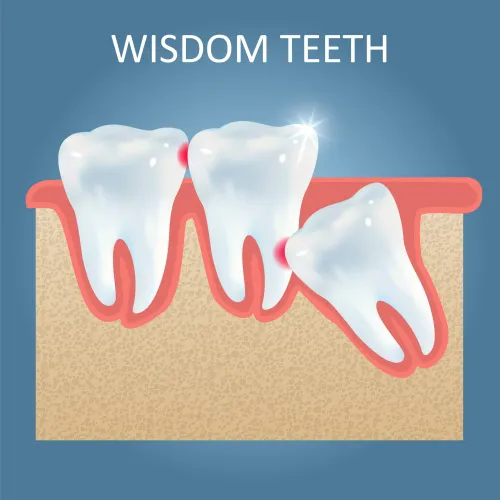
- Replacement of missing teeth
- Bite correction
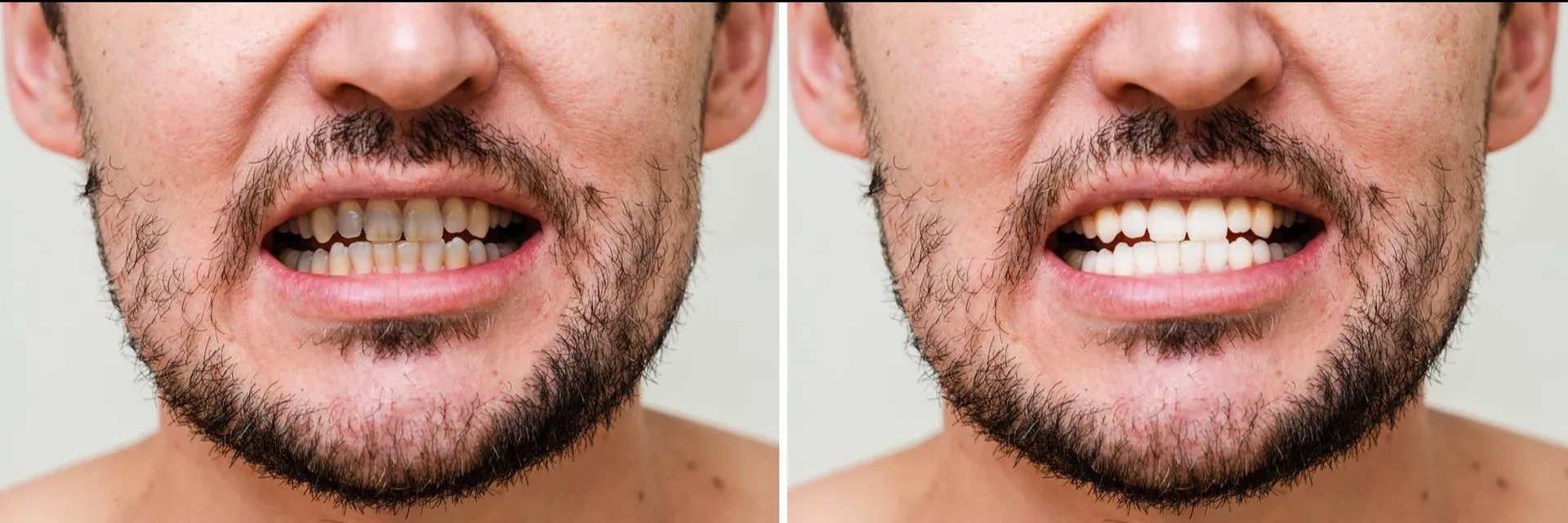
- Selected cosmetic procedures
Complex treatment is generally completed in planned stages.
Benefits of Full Mouth Rehabilitation
The main objective is restoring function. Rebuilding damaged or missing teeth may improve chewing, dental stability, appearance, and the distribution of biting forces.
It can also make oral hygiene more manageable when failing restorations and severely damaged teeth have been appropriately treated.
Recovery Time During Rehabilitation
There is no universal recovery period because different procedures heal differently.
Fillings and crowns may involve little downtime. Gum procedures and dental implant surgery can require longer healing. Implant-based rehabilitation may extend over several months when bone integration is necessary.
Risks Patients Should Understand
Potential risks depend on the procedures performed and can include sensitivity, gum soreness, infection, restoration fracture, implant complications, and bite discomfort.
Existing periodontal disease, teeth grinding, tobacco use, poor oral hygiene, and certain health conditions can affect treatment planning.
Dental Junction can assess patients in Ashwath Nagar and determine which teeth may be preserved and how treatment can be sequenced.
Care Before and After Rehabilitation
Active decay and gum inflammation usually need to be controlled before extensive restorative work.
After treatment, patients should maintain twice-daily brushing, interdental cleaning, professional reviews, and specific cleaning around implants, crowns, and bridges.
Frequently Asked Questions
Does Full Mouth Rehabilitation Always Require Implants
No. The treatment combination depends on the condition of the remaining teeth and the pattern of tooth loss.
Is Everything Completed in One Appointment
Usually not. Complex rehabilitation commonly requires several treatment stages.
How Long Do the Results Last
Longevity varies according to oral hygiene, bite forces, materials, gum health, habits, and maintenance.
Keywords