Teeth that overlap, rotate, remain trapped beneath the gums, or fail to meet correctly can signal more than a cosmetic concern. By the end, you will know which signs justify an orthodontic assessment, what the examination involves, and how clinicians decide whether braces or another approach is appropriate.
Key takeaways
- Overlapping, rotated, inward, or outward teeth indicate limited arch space.
- Seek assessment when crowding affects cleaning, chewing, comfort, or tooth wear.
- An orthodontic assessment checks your bite, jaw growth, spacing, and gum health.
- Braces straighten teeth, but retainers help prevent them shifting back.
How to Recognise Crowding and Judge Its Severity
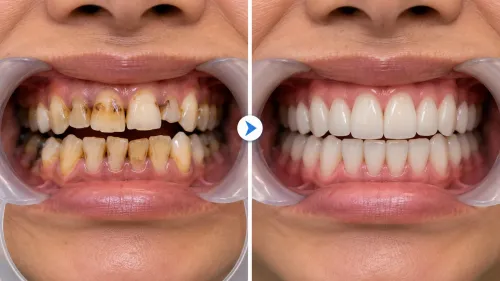
Crowded teeth appear when the dental arch does not provide enough room for every tooth to line up. You may see overlapping teeth, teeth pushed inward or outward, gaps beside a tooth, or rotated teeth that face partly sideways rather than straight ahead.
Look for these signs when judging how much crowding is present:
- Mild crowding leaves most teeth visible and broadly aligned, with small overlaps or slight rotations. Cleaning may be harder in one or two areas, but the bite often remains functional.
- Moderate crowding produces several overlapping teeth, noticeable rotations, or teeth displaced toward the tongue, cheek, or lip. One tooth may sit behind or in front of the normal arch.
- Severe crowding leaves little visible space. A tooth may remain partly covered by gum, erupt high or low, or become a blocked erupting tooth because another tooth occupies its path.
Severity is not judged only by how crooked the front teeth look. A dental examination measures the space available in the arch against the combined width of the teeth and checks the bite, jaw growth, gum support, and unerupted teeth.
The amount and location of the shortage affect whether treatment involves tooth movement, space creation, enamel reduction, or extraction. A child near age 7 deserves assessment when severe crowding or a blocked erupting tooth is suspected, even if the visible problem looks small.
When Misaligned Teeth Need More Than Cosmetic Attention
A professional assessment is warranted when misalignment affects biting, cleaning, tooth eruption, gum health, or jaw function—not only smile appearance. Seek advice if a tooth remains blocked, erupts in the wrong position, or causes repeated cheek biting, chewing difficulty, speech changes, or uneven wear.
Ask for an orthodontic assessment if you notice:
- A crossbite, where an upper tooth closes inside a lower tooth, or the jaw shifts to one side during biting
- Persistent bleeding, swollen gums, cavities, or difficulty cleaning between overlapping teeth
- Pain, pressure, or a baby tooth that remains while its adult replacement is missing or emerging elsewhere
- A family pattern of large teeth, small jaws, missing teeth, or different jaw growth
- Possible causes of crowded teeth, including early loss of baby teeth, retained baby teeth, or oral habits such as thumb sucking and tongue thrusting
| Sign or situation | Why it deserves assessment |
|---|---|
| Mild overlap with normal biting and easy cleaning | Often a cosmetic concern, but a clinician can check whether crowding will worsen |
| Blocked or ectopically erupting tooth | Creating space early may prevent damage or a more complex procedure later |
| Crossbite or jaw shift | Can contribute to tooth wear, gum trauma, and an altered bite |
| Decay or uncontrolled gum disease | Braces can trap plaque; these problems need treatment before tooth movement |
Children do not need braces simply because they are seven, but an assessment around age 7 can identify blocked eruption, severe crowding, or crossbites while growth still offers useful treatment options. Adults also qualify for assessment when teeth, gums, and supporting bone are healthy.
What Happens During an Orthodontic Assessment
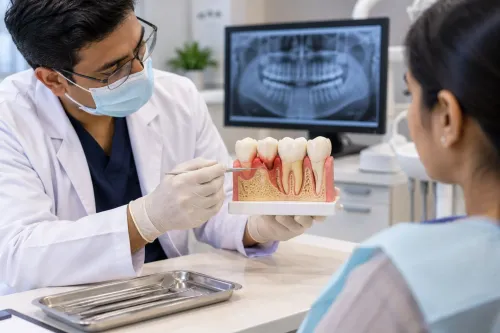
An orthodontic assessment identifies whether tooth position, bite, jaw growth, or oral-health problems justify treatment. The clinician also records your priorities, such as easier cleaning, improved chewing, speech concerns, or appearance.
- Review your dental and medical history, including previous extractions, early loss or retention of baby teeth, thumb-sucking, mouth breathing, trauma, missing teeth, and family patterns of jaw or tooth-size differences.
- Examine each tooth, the gums, plaque levels, decay, enamel damage, eruption pattern, and spaces where teeth are blocked or developing. Active cavities or uncontrolled periodontal disease need treatment before tooth movement begins.
- Check how the upper and lower teeth meet, including overbite, underbite, crossbite, open bite, midline shifts, and jaw movement. The clinician also assesses chewing, cleaning access, and signs of wear.
- Record photographs and X-rays when needed. A panoramic X-ray shows developing, missing, impacted, or ectopically erupting teeth; a lateral cephalogram helps assess jaw relationships and growth.
- Capture the tooth positions with dental impressions or an intraoral scan. These records help compare available space, tooth size, and bite relationships when planning braces or aligners.
The American Association of Orthodontists recommends an age 7 orthodontic consultation because crossbites, severe crowding, or blocked erupting teeth can benefit from early planning. It does not mean braces begin at seven. Adults can be assessed at any age when teeth, gums, and supporting bone are healthy.
Dental Junction can coordinate assessment with cleaning or periodontal care when those findings must be addressed first.
Related service
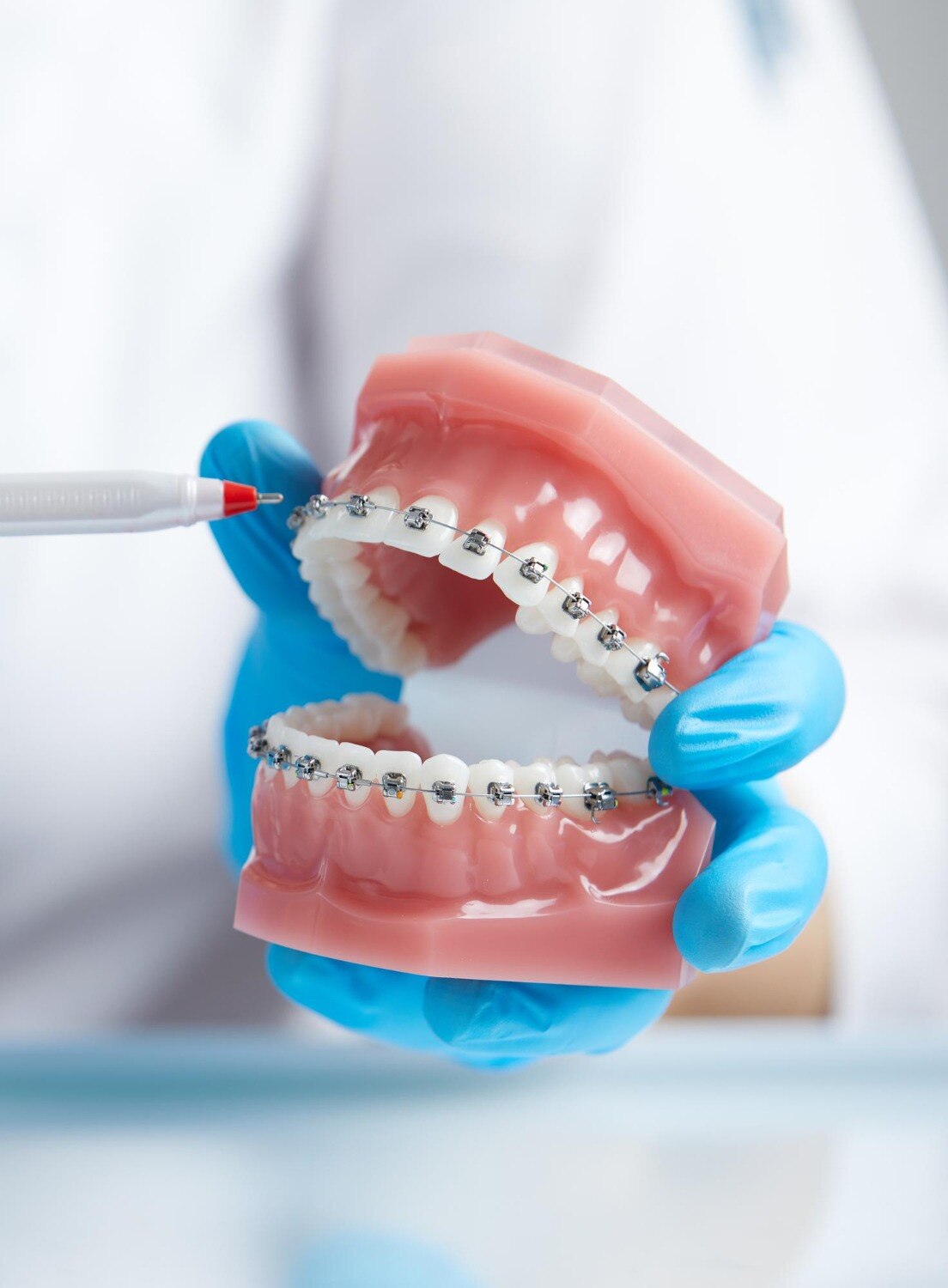
Braces & Aligners Braces and aligners are orthodontic treatments used to correct misaligned, crowded, or uneven teeth and improve bite alignment. View service → |
How Clinicians Decide Whether Braces Are Recommended
Braces are recommended when moving the teeth will improve function safely and the supporting tissues can tolerate that movement, not merely because a front tooth looks crooked. Clinicians measure the space in the dental arch against tooth width, then assess whether teeth are blocked, rotated, or positioned outside the bone.
Space does not automatically mean extraction. Depending on the pattern and severity of crowding, the plan may use:
- Limited tooth movement when the shortage is small
- Arch development in a suitable growing patient
- Enamel reduction between selected teeth
- Extraction when available bone, facial profile, bite, and stability goals make it the safer choice
The bite can change the recommendation. A crossbite, where an upper tooth closes inside a lower tooth, can cause abnormal wear, gum trauma, or a jaw shift. Treating it during growth may guide the bite more safely than waiting until the jaws mature.
X-rays help clinicians check tooth roots, unerupted teeth, bone support, and root positions. Active gum disease, thin bone, or poor cleaning access must be addressed before movement; pushing teeth through weak support can worsen recession or looseness.
Growth also matters. An assessment around age seven can identify blocked eruption, severe crowding, or a crossbite, but it does not mean every child needs braces then. In a skeletally mature patient, braces cannot correct a substantial jaw relationship discrepancy; orthognathic surgery may be needed alongside orthodontic treatment.
Treatment Trade-Offs, Time and Keeping Teeth Straight
Plan on months, not weeks: orthodontic treatment time depends on tooth movement, bite correction, growth, and whether teeth need space created. Regular adjustment visits, careful brushing, and avoiding hard or sticky foods are part of the commitment; missed appointments or broken brackets can extend treatment.
Before starting, confirm these practical requirements:
- Ask how often appointments occur and what happens if a bracket, wire, or aligner breaks.
- Learn the exact brushing routine, including cleaning around brackets and along the gumline.
- Discuss active decay, bleeding gums, or periodontal disease, because these problems need treatment before tooth movement or while treatment continues.
- Ask whether your jaw relationship requires more than braces. In adults with a substantial upper-to-lower-jaw discrepancy, jaw surgery may be needed to correct the skeleton rather than only align the teeth.
Braces risks include temporary soreness, cheek irritation, gum inflammation, white-spot lesions, cavities, appliance damage, and some root shortening. Poor oral hygiene with braces raises the chance of plaque-related enamel damage and gum disease, while longer treatment, stronger forces, and individual susceptibility can increase risk.
Orthodontic retainers are needed because teeth tend to drift after active treatment as the bone and surrounding tissues adapt. Wear the prescribed removable retainer schedule or keep fixed retainers clean; stopping retainer use increases relapse. Retention is long-term maintenance, not an optional final step.
Frequently asked questions
How can you recognise crowded or misaligned teeth?
Look for overlapping teeth, teeth pushed inward or outward, gaps beside a tooth, and rotations that make teeth face sideways.
When do misaligned teeth need more than cosmetic attention?
Assessment becomes important when crowding makes cleaning difficult, affects your bite or chewing, causes discomfort, or contributes to tooth wear and gum problems.
What happens during an orthodontic assessment?
The clinician examines tooth position, bite, available arch space, jaw relationship, and gum health, then uses records such as photographs, scans, or X-rays when needed.
How do clinicians decide whether braces are recommended?
They weigh crowding severity, bite function, jaw development, oral health, treatment goals, and the options for creating or managing space.
How long do braces take, and how do you keep teeth straight afterward?
Treatment time depends on the movement required and your response to treatment. Retainers after braces help maintain the result and need consistent use as instructed.