The words Root Canal Treatment often make people feel anxious because of outdated stories and misconceptions. In reality, modern root canal procedures are designed to relieve pain caused by infected teeth rather than create it. Understanding the facts behind this common dental treatment can help patients make informed decisions and avoid losing a tooth that could otherwise be preserved.
A root canal is recommended when the soft tissue inside the tooth, known as the dental pulp, becomes infected or inflamed. This may happen because of deep tooth decay, repeated dental procedures on the same tooth, trauma, or untreated cracks. Without treatment, the infection can spread beyond the tooth and affect the surrounding tissues.
Several myths continue to create unnecessary fear. Let's separate fact from fiction.
Myth 1: Root canal treatment is extremely painful.
Modern techniques, local anaesthesia, and improved instruments have made the procedure much more comfortable than many people expect. Most patients describe the experience as being similar to receiving a routine dental filling.
Myth 2: Tooth extraction is always a better option.
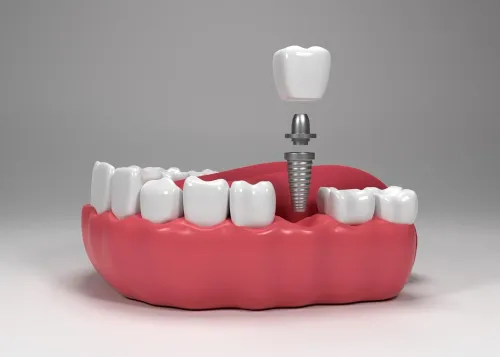
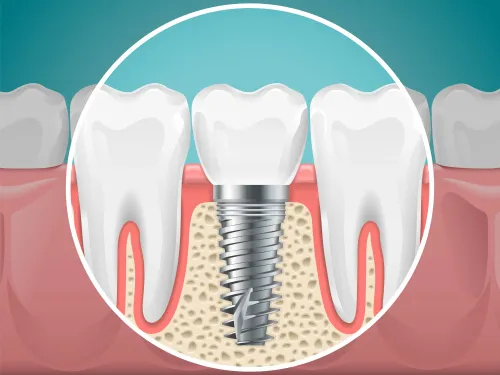
Whenever possible, preserving the natural tooth is generally preferable. A natural tooth helps maintain proper chewing, supports neighbouring teeth, and avoids additional procedures that may be needed after extraction.
Myth 3: Pain always means you need a root canal.
Not every toothache requires root canal treatment. Tooth sensitivity, gum disease, cracked teeth, or cavities may produce similar symptoms. A proper examination and X-rays are necessary before making a diagnosis.
Myth 4: The tooth becomes weak forever.
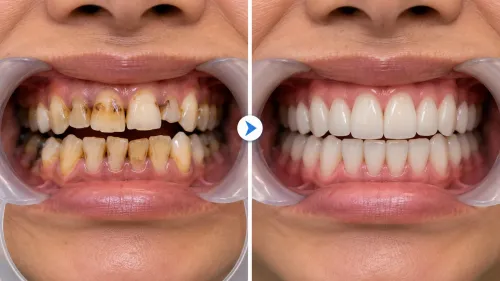
After root canal treatment, many teeth are restored with a crown to protect them from fracture. With proper restoration and regular dental care, a treated tooth can continue functioning for many years.
Some symptoms that should never be ignored include:
- Persistent toothache
- Sensitivity that lingers after hot or cold foods
- Swelling near the affected tooth
- Gum boils or pus discharge
- Pain while chewing
- Tooth discolouration following injury
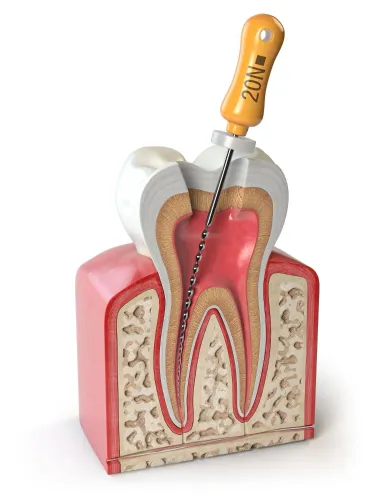
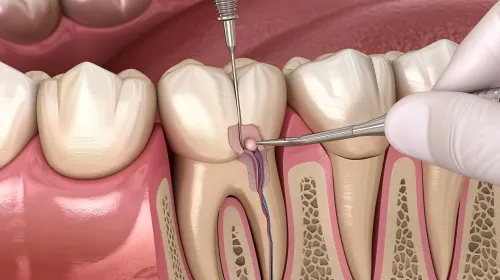
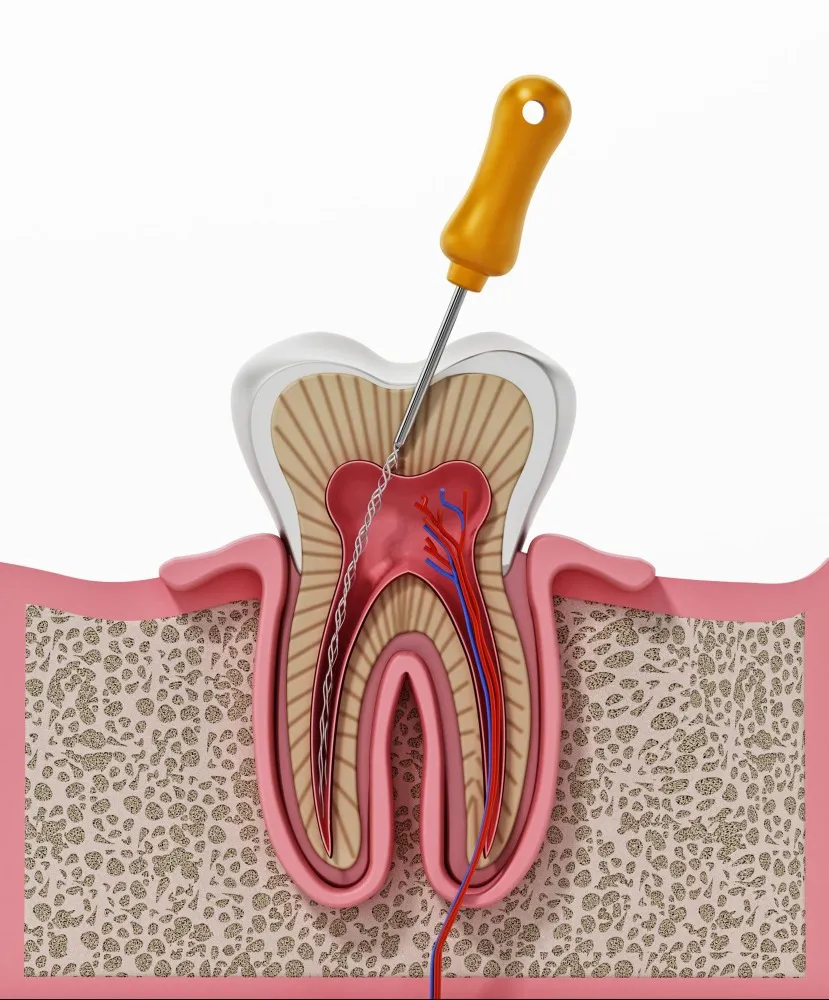
The procedure itself involves removing the infected pulp, cleaning and disinfecting the root canals, and sealing them to prevent reinfection. In many cases, a dental crown is later placed to strengthen the tooth and restore normal function.
People across Bengaluru, particularly in Hebbal, Ganganagar, Munnireddypalya, Ashwath Nagar, and Sultanpalya, often delay treatment because of fear rather than the actual procedure. Unfortunately, postponing care may allow the infection to worsen and reduce the chances of preserving the natural tooth.
Dental Junction performs detailed clinical examinations and diagnostic imaging before recommending root canal treatment. The clinic focuses on accurate diagnosis, patient comfort, and preserving natural teeth whenever possible through evidence-based treatment planning.
Root canal treatment is not something to fear. It is a proven method of eliminating infection while allowing patients to keep their natural teeth. Seeking professional care as soon as symptoms appear often results in simpler treatment, better outcomes, and healthier smiles for the future.
Keywords