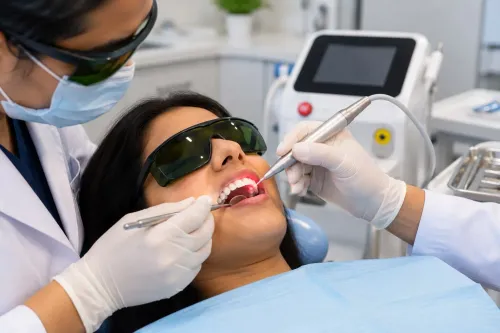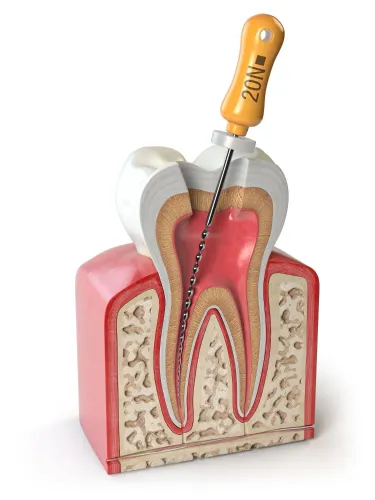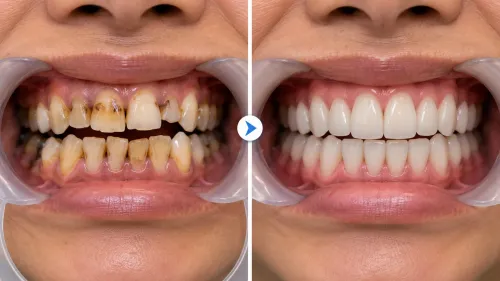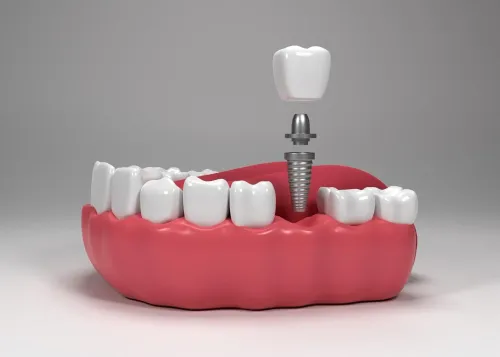
Tea, coffee, certain foods, tobacco exposure, and everyday plaque accumulation can gradually change the appearance of tooth surfaces. Even after brushing, some stains may remain noticeable, particularly around crowded teeth or areas that are difficult to clean.
Teeth Polishing is commonly associated with professional dental cleaning, but patients sometimes confuse polishing with whitening. Understanding the difference can prevent unrealistic expectations.
What Does Teeth Polishing Do?
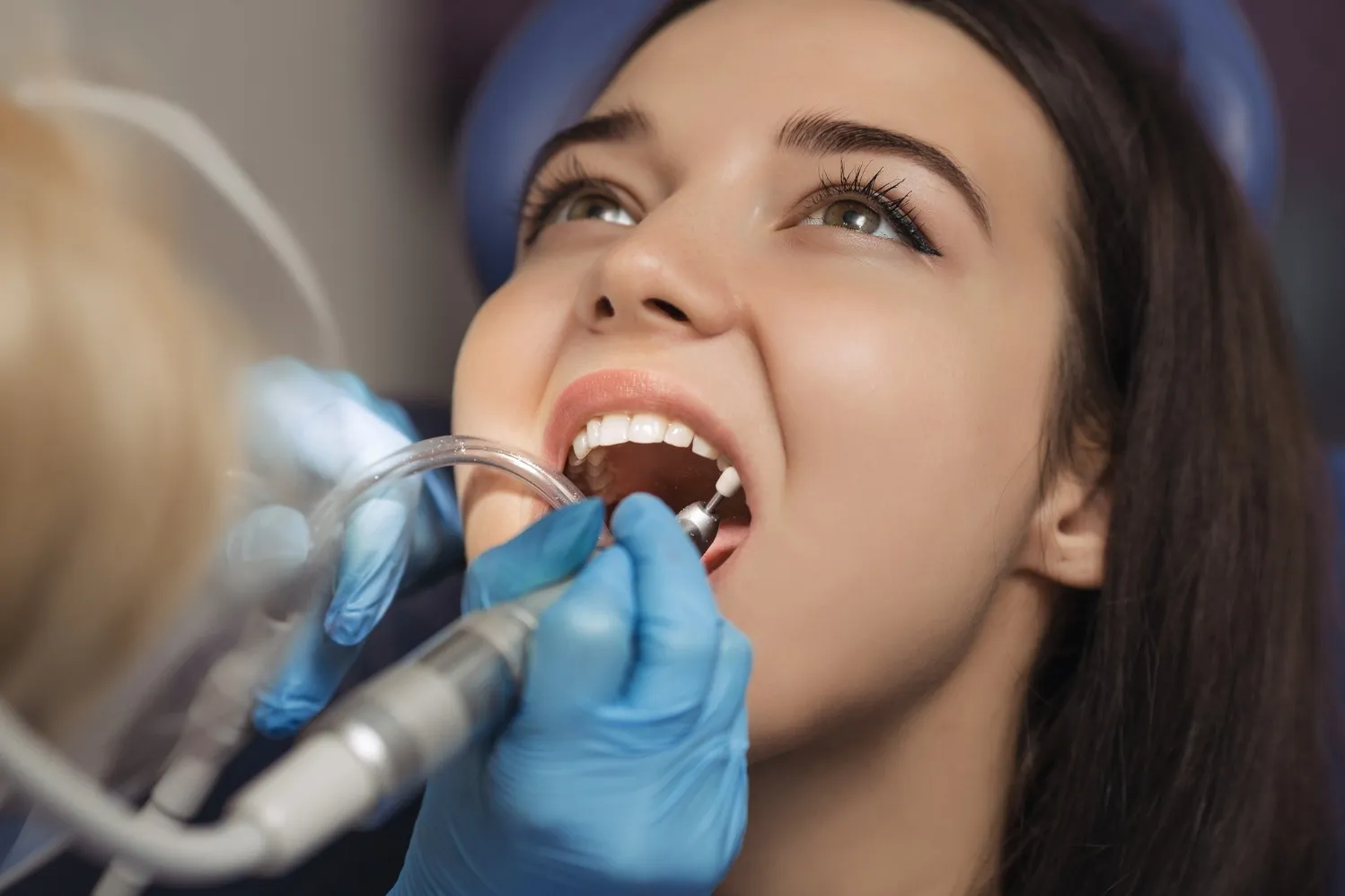
Polishing is used to smooth selected tooth surfaces and help remove certain external stains and residual deposits after appropriate cleaning.
The result can make the teeth feel smoother and appear cleaner.
However, polishing does not fundamentally change the natural internal shade of teeth in the same way that professional whitening procedures are intended to do.
This distinction matters when choosing treatment for discolouration.
Which Stains May Be Surface Stains?
Extrinsic stains develop on the outside of teeth.
Common contributors can include:
- Tea
- Coffee
- Tobacco
- Certain strongly pigmented foods
- Plaque accumulation
- Some oral habits
The appearance and cause of stains vary. A dental examination can help determine whether discolouration is external or originates within the tooth.
Polishing Is Not the Same as Scaling
Scaling and polishing are often discussed together, but they serve different purposes.
Scaling removes hardened deposits such as calculus from tooth surfaces.
Polishing focuses more on smoothing and managing appropriate superficial staining after deposits have been removed.
If someone has substantial calculus around the gumline, simply polishing the visible surfaces does not adequately address the deposits.
When Is Whitening a Different Consideration?
Someone whose teeth are clean but naturally darker or internally discoloured may not see the change they expect from polishing alone.
Whitening treatments are designed for a different purpose.
Before recommending cosmetic whitening, the dentist may assess fillings, crowns, sensitivity, gum health, decay, and the type of discolouration present.
Existing restorations also do not respond to whitening exactly like natural tooth structure, which can influence cosmetic planning.
What Should You Look for in a Dental Cleaning Appointment?
A professional appointment should not be treated as a beauty service alone.
It is also an opportunity to assess the mouth for:
- Gum inflammation
- Calculus
- Dental cavities
- Damaged restorations
- Tooth sensitivity
- Areas that are difficult to clean
- Changes requiring further evaluation
This is particularly useful for people who have not had a dental examination for an extended period.
Keeping Teeth Cleaner Between Appointments
Daily habits have a major influence on surface staining and plaque.
Brush thoroughly with an appropriate technique, clean between teeth, and avoid assuming that aggressive scrubbing will make teeth cleaner. Excessive force can be counterproductive.
Patients who regularly consume staining beverages can also discuss practical stain-management strategies during their appointment.
For individuals and families in Hebbal, Dental Junction can evaluate whether Teeth Polishing, professional cleaning, whitening, or another approach is most suitable for the concern.
The right procedure depends on what is actually changing the appearance of the teeth. Identifying the cause first usually leads to more realistic expectations and more appropriate dental care.
Keywords