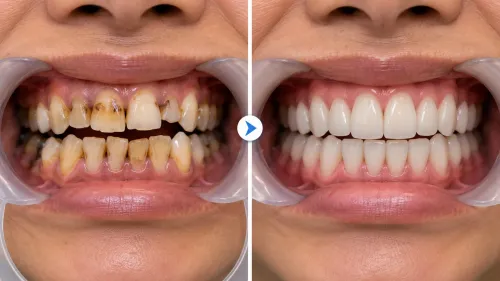
A small cavity and a deeply damaged tooth can initially look similar to a patient. Both may appear as a dark spot, a chipped area, or sensitivity while eating. Yet the treatment required can be very different.
A Tooth Filling is commonly used to restore a tooth affected by decay or minor structural damage, but it has limits. Understanding those limits can help patients avoid expecting a simple filling to solve a problem that has already progressed deeper into the tooth.
When Is a Filling Commonly Used?
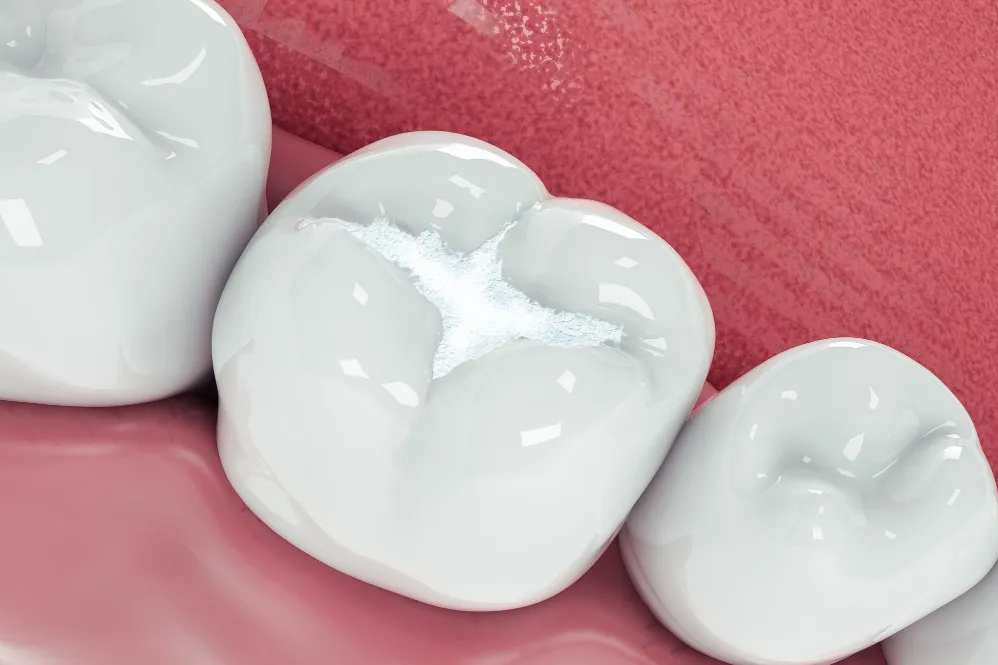
A filling may be considered when damaged or decayed tooth structure can be removed while leaving enough healthy tooth to support a restoration.
The procedure generally involves cleaning the affected area and rebuilding the lost portion using a suitable restorative material.
Fillings may be used for:
- Dental cavities
- Small areas of tooth damage
- Certain chipped teeth
- Replacement of defective existing fillings
- Selected areas of wear
The material and technique depend on the tooth, location of the defect, chewing forces, and cosmetic requirements.
When Might a Filling Not Be Enough?
The depth and extent of damage matter.
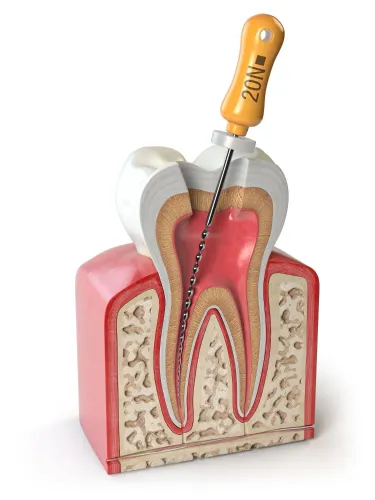
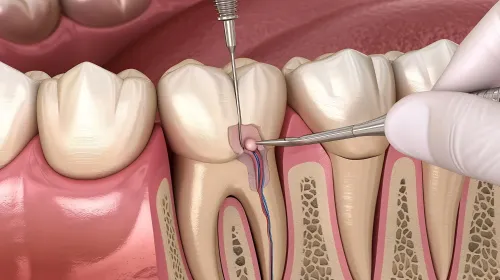
If decay has reached the dental pulp and caused significant inflammation or infection, simply covering the cavity with filling material does not treat the problem inside the tooth.
Likewise, a tooth with extensive structural loss may not have enough remaining support for a conventional filling.
Depending on the diagnosis, treatment might instead involve:
- Root canal therapy
- An inlay or onlay
- A crown
- Another restorative procedure
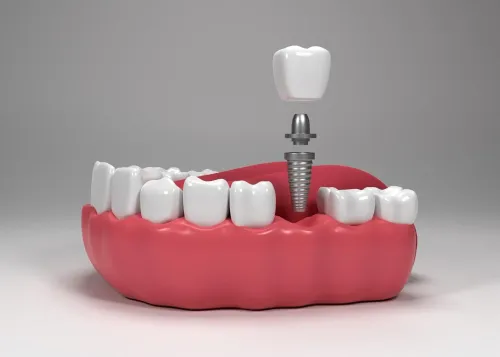
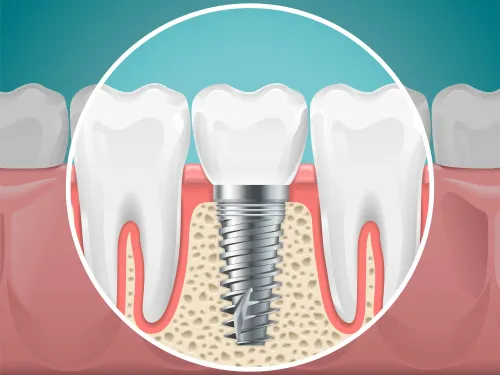
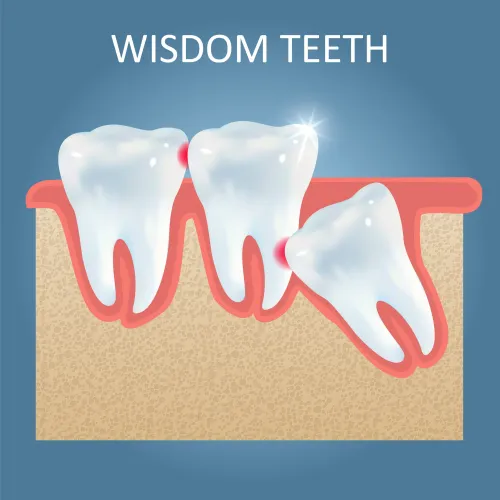
- Extraction when a tooth cannot be predictably restored
This is why choosing treatment based only on the visible size of a cavity can be misleading.
What About Tooth-Coloured Fillings?
Tooth-coloured restorative materials are commonly used because they can be matched more closely to natural teeth.
Appearance, however, is only one consideration.
The dentist also evaluates moisture control, cavity location, remaining tooth structure, bite forces, and the amount of material required. A restoration needs to function effectively, not simply blend into the smile.
Why Do Old Fillings Sometimes Need Replacement?
A dental filling experiences repeated pressure every day.
Over time, a restoration may wear, chip, fracture, or develop problems around its margins. Decay can also develop around an existing restoration if plaque accumulates in vulnerable areas.
An old filling does not automatically need replacement because of its age alone. Clinical examination and, where appropriate, dental imaging help determine whether intervention is necessary.
Can Filling a Cavity Early Make Treatment Simpler?
Generally, detecting decay while it is relatively limited gives the dentist an opportunity to preserve more natural tooth structure.
Waiting until pain develops can mean that the cavity has become larger or has approached the dental pulp.
This is especially relevant for busy families and working adults in Bengaluru who may postpone a dental appointment when a tooth is not yet painful.
Dental Junction evaluates patients from Ganganagar for cavities, damaged restorations, sensitivity, and other common dental concerns.
Whether a Tooth Filling is appropriate depends on what remains beneath the visible problem. An examination helps determine how much tooth is affected and which restoration can preserve it most effectively
Keywords