A scale-and-polish appointment contains two different procedures, and confusing them can lead to unrealistic expectations or unnecessary abrasion. By understanding what happens during the visit, how a dentist selects the polishing method, and when another treatment is needed, you can decide whether polishing belongs in your own care plan.
Key takeaways
- Polishing removes selected surface stains after plaque and tartar are addressed.
- Ask whether polishing is suitable for your fillings, crowns, enamel, and gum health.
- Do not use abrasive home products to replace professional cleaning or whitening.
- Schedule cleaning based on your gum health, tartar buildup, and dentist’s advice.
Where polishing fits in a professional cleaning appointment
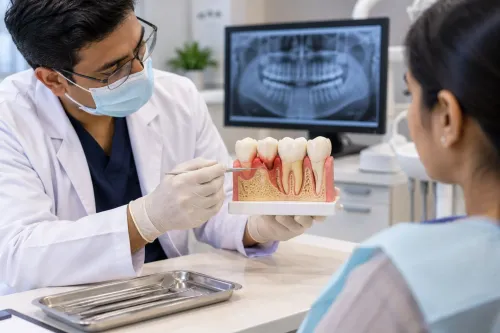
A professional dental cleaning starts with an examination of your teeth, gums, existing fillings, crowns, and other dental work. The clinician checks for plaque, tartar, cavities, gum inflammation, and areas that need more than routine care.
- Examination: The dentist or hygienist assesses your mouth and identifies deposits, bleeding, gum pockets, or damaged areas.
- Scaling: Hand instruments or powered scalers perform tartar removal by breaking hardened calculus away from tooth surfaces and near the gumline.
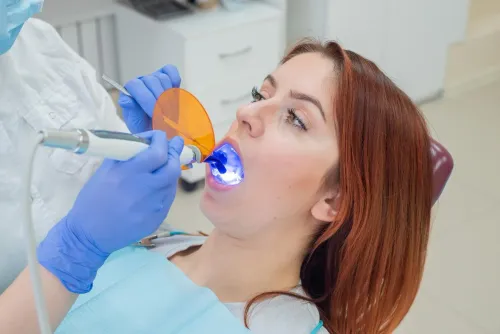
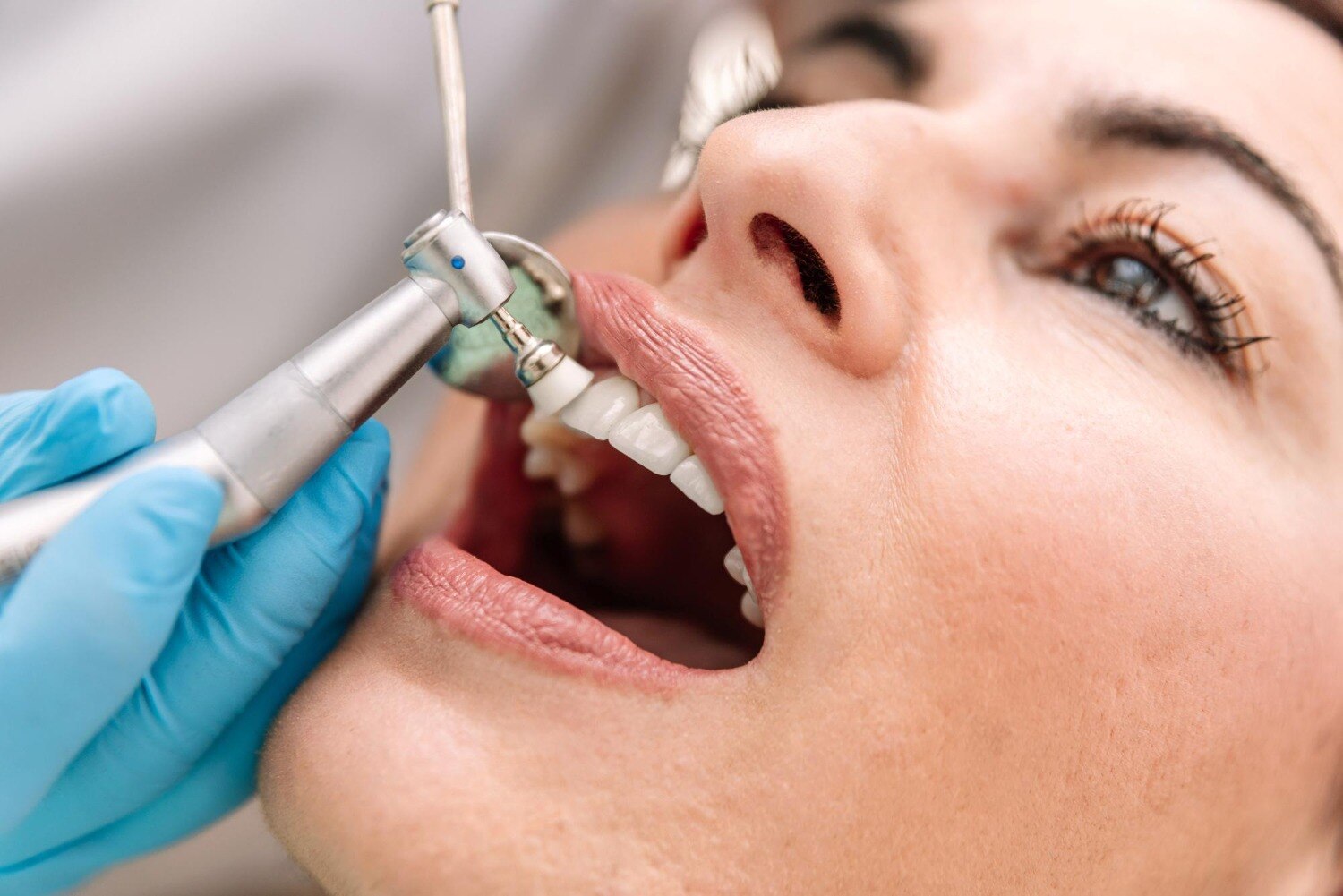
- Polishing: A rotating rubber cup and polishing paste remove plaque residue and many external stains left by coffee, tea, tobacco, or coloured foods.
- Rinsing: You rinse away loosened debris and paste.
- Advice: The clinician explains brushing with fluoride toothpaste, cleaning between teeth, and any follow-up treatment.
Scaling vs polishing comes down to what each procedure can remove. Scaling removes hardened tartar; polishing cannot safely eliminate it. Polishing is a surface-cleaning step that follows scaling when removable stain or residue is present.
A teeth polishing appointment does not replace daily plaque control because plaque reforms between visits. It also does not treat cavities, gum-pocket infection, tooth infection, intrinsic tooth discoloration, enamel loss, or misalignment.
Bleeding that continues after cleaning, occurs without brushing, or comes with swelling, pus, or loose teeth needs a periodontal assessment rather than more forceful polishing.
Who benefits from polishing, and when does the dentist modify it?
A dentist chooses polishing after checking the tooth surfaces, gum condition, visible stain, and dental work. You are a good candidate when the main concern is removable surface discoloration, such as coffee and tea stains, tobacco stains, or colored-food residue, and your enamel and gums tolerate mild abrasion.
The dentist may modify or avoid polishing when:
- Exposed roots or sensitivity make cementum and dentin vulnerable to abrasive wear.
- Gingival recession, erosion, or abrasion has already thinned a surface.
- A filling, crown, veneer, or other restoration could be scratched or roughened by an unsuitable paste.
- The discoloration is intrinsic, such as fluorosis, trauma-related color change, or age-related darkening; polishing will not reliably change it.
- Bleeding comes with swelling, pus, loose teeth, or repeated spontaneous bleeding, which calls for periodontal assessment rather than more aggressive polishing.
Selective polishing means treating only teeth with removable stain or deposits instead of polishing every surface at every visit. The clinician may choose a less abrasive paste, a gentler instrument, or no polishing on unaffected areas. That decision protects exposed roots and dental work while still improving visible cleanliness.
Polishing does not replace daily plaque control or treat cavities, infection, enamel loss, or misalignment. If your teeth look clean but feel sensitive, or the color does not change after surface stain is removed, ask whether desensitising care, periodontal treatment, whitening, or restorative treatment fits the actual problem.
How often should cleaning and polishing be scheduled?
A fixed six-month polishing appointment is not right for every adult. The question is not simply how often to polish teeth; the interval depends on plaque and tartar buildup, gum health history, home-care effectiveness, and how quickly stains or calculus return.
Your dentist may recommend routine preventive visits or shorter intervals after examining your gums and teeth.
- Schedule closer follow-up if you have repeated tartar deposits, gum bleeding, periodontal pockets, diabetes, smoke or use tobacco, or struggle to clean effectively around orthodontic appliances.
- Keep visits farther apart only when your gums remain healthy, deposits are minimal, and daily brushing and between-teeth cleaning are consistent.
- Do not use polishing frequency to compensate for inadequate home care; plaque reforms between appointments and can cause gingivitis.
Polishing cannot remove hardened tartar, fill a cavity, treat a tooth infection, or resolve intrinsic discoloration from trauma, fluorosis, or aging. Persistent spontaneous bleeding, swelling, pus, loose teeth, deep pockets, or bleeding at repeated visits requires a periodontal evaluation rather than more aggressive polishing.
Recession, exposed roots, sensitivity, enamel wear, or damaged restoration margins also call for a modified cleaning plan. Your clinician may limit polishing, choose a low-abrasion paste, scale first, or recommend restorative, periodontal, whitening, or other treatment.
Polishing compared with whitening, home abrasives, and veneers
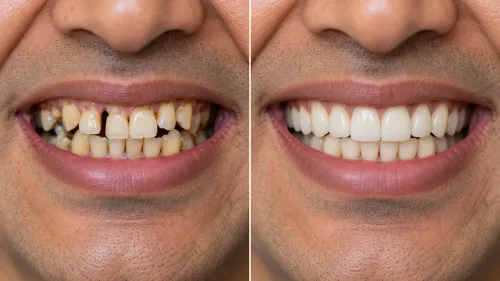
Professional polishing vs whitening comes down to surface stain versus tooth colour. Polishing can remove many external stains from coffee, tea, tobacco, and coloured foods, leaving teeth cleaner and brighter. It cannot reliably change intrinsic discoloration from fluorosis, trauma, aging, or enamel changes.
| Option | What it addresses | When it applies |
|---|---|---|
| Professional polishing | Removable surface stain and plaque residue | Choose it when deposits sit on otherwise healthy tooth surfaces |
| Whitening treatment | Intrinsic yellowing or general tooth shade | Consider it after an examination confirms suitable teeth and gums |
| Whitening toothpaste | Mild surface stain through low-level abrasives or chemical ingredients | Use with fluoride toothpaste; do not expect a major shade change |
| Charcoal toothpaste | Some surface debris, without proven deep whitening | Avoid treating it as safer or more effective than standard fluoride toothpaste |
| Abrasive tooth powder | Surface deposits through mechanical abrasion | Avoid routine use if you have sensitivity, recession, erosion, or worn enamel |
| Veneers or restorative treatment | Shape, structure, resistant discoloration, or damaged teeth | Discuss these when whitening cannot correct the defect |
Polishing is not automatically harmless around every tooth. Exposed cementum and dentin wear faster than enamel, while abrasive paste can dull resin restorations or roughen their surfaces, encouraging renewed staining. Ask for selective polishing, a low-abrasion paste, or no polishing in sensitive areas.
Choose restorative or cosmetic treatment only after a dentist checks cavities, cracks, enamel loss, gum disease, and existing fillings. Whitening does not change the colour of crowns or fillings, and veneers require removal of some tooth structure.
Questions to ask before making polishing part of your care plan
Before agreeing to routine polishing, ask what problem it is solving, what will be protected, and how often you actually need it.
1. “What did my dental cleaning assessment find?” Ask whether you have removable coffee, tea, tobacco, or food stain, hardened calculus, exposed root surfaces, cavities, or another problem that polishing cannot treat.
2. “Do my gums need a periodontal evaluation?” Persistent spontaneous bleeding, swelling, pus, loose teeth, or bleeding at repeated visits calls for gum assessment, not more aggressive polishing.
3. “Do I need polishing at every appointment?” Your interval should reflect gum health, plaque control, calculus build-up, smoking, diabetes, and other risks. Selective polishing may protect tooth structure when only a few teeth have removable stain.
4. “How will you polish around restorations?” Ask whether you have composite fillings, crowns, veneers, implants, or exposed roots. The clinician may avoid restoration margins or use a low-abrasion method because some abrasives reduce resin gloss and encourage renewed staining.
5. “Which method and powder will you use?” Air polishing can remove stain and biofilm, but sodium-bicarbonate powder may be unsuitable if you restrict sodium. Confirm the powder, spray direction, and precautions for soft tissue, restorations, implants, and your airway.
6. “What must I do between visits?” Polishing cannot stop plaque reforming. Ask for brushing-with-fluoride and interdental-cleaning advice; during an appointment at Dental Junction Bengaluru, ask the clinician to demonstrate the technique on your teeth.
Related service
Dental Cleaning & Polishing Dental Cleaning and Polishing is a preventive dental procedure that removes plaque, tartar, and stains from the teeth to maintain good oral hygiene. View service → |
Frequently asked questions
Where does polishing fit in a professional dental cleaning appointment?
The clinician first examines your teeth and gums, removes plaque and tartar, and then polishes selected tooth surfaces when appropriate. Polishing does not remove tartar or treat cavities and gum disease.
Who benefits from dental polishing, and when is it modified?
Polishing can help remove certain external stains and leave tooth surfaces smoother. The dentist may modify or avoid it when you have enamel wear, exposed roots, sensitivity, gum problems, or restorations that require special care.
How often should cleaning and polishing be scheduled?
Schedule appointments according to your tartar buildup, gum health, home-care routine, and dentist’s recommendation. Polishing does not need to be performed at every cleaning.
How does polishing compare with whitening, home abrasives, and veneers?
Polishing removes selected surface deposits, while whitening changes the colour of natural teeth with bleaching agents. Abrasive home products can wear enamel or restorations when overused, and veneers cover tooth surfaces rather than cleaning them.
What should you ask before making polishing part of your care plan?
Ask what stain or deposit polishing will remove, whether it suits your enamel and dental work, which polishing material will be used, and how often it is recommended.