Wisdom teeth usually appear between the ages of 17 and 25. While some people experience no problems when these third molars erupt, others develop pain, swelling, infections, or difficulty chewing because there is not enough room for the teeth to grow properly. Knowing when Wisdom Tooth Removal is necessary can help prevent complications and protect the health of nearby teeth.
A common misconception is that every wisdom tooth needs to be removed. In reality, dentists recommend extraction only when the tooth is causing problems or has the potential to affect oral health. A wisdom tooth that grows in the correct position, remains clean, and does not interfere with surrounding teeth may not require treatment. Regular dental examinations and X-rays help determine whether removal is the right option.
Several warning signs indicate that a wisdom tooth should be evaluated by a dentist. These include:
- Persistent pain at the back of the mouth
- Swollen or tender gums around the tooth
- Difficulty opening the mouth fully
- Frequent food trapping behind the last molar
- Repeated gum infections
- Bad breath caused by trapped bacteria
- Jaw discomfort while chewing
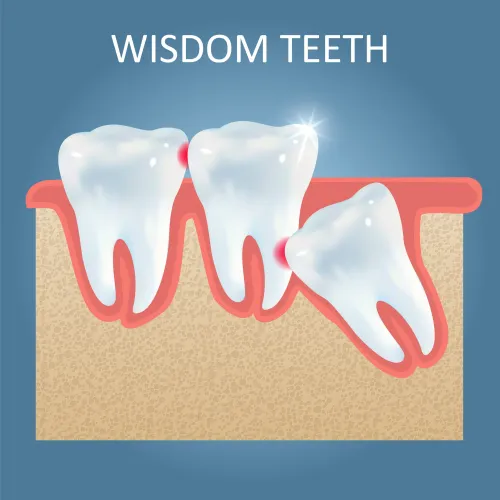
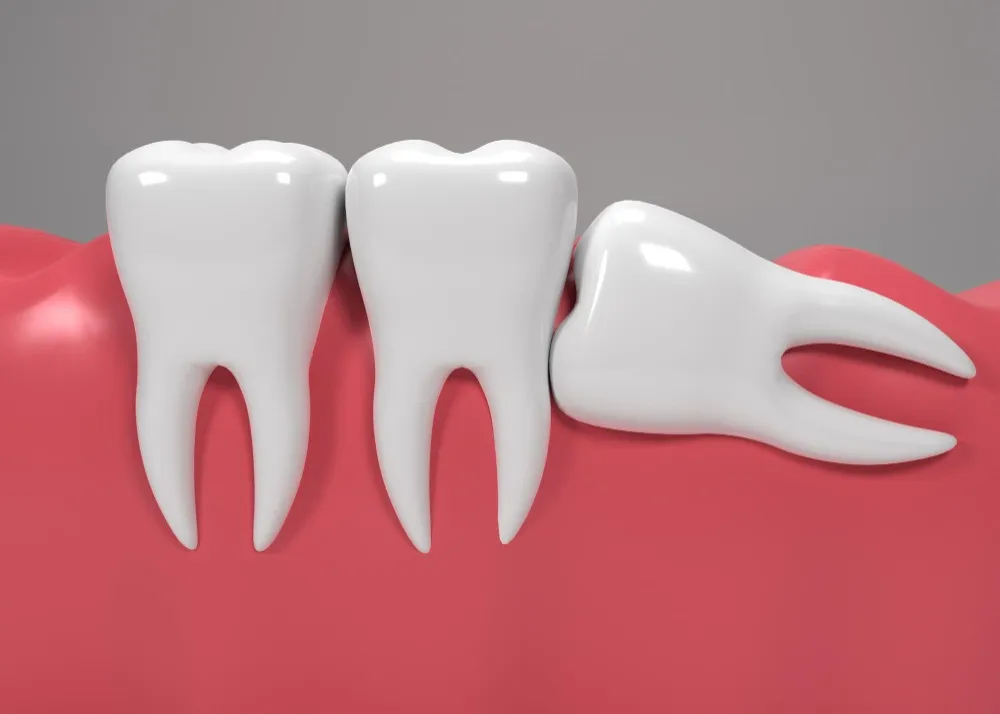
One of the most common reasons for wisdom tooth extraction is impaction. An impacted tooth remains trapped beneath the gums or grows at an angle because there is insufficient space in the jaw. This can place pressure on neighbouring teeth, increase the risk of cavities, and contribute to gum disease. In some cases, cysts may also develop around an impacted tooth if treatment is delayed.
Before recommending extraction, the dentist performs a detailed clinical examination along with digital imaging to assess the position of the tooth, the surrounding bone, and nearby nerves. This evaluation helps determine whether a simple extraction or a surgical procedure is required. Local anaesthesia is typically sufficient for most patients, while additional sedation may be considered for more complex cases.
Recovery after wisdom tooth removal is generally straightforward when patients follow post-treatment instructions carefully. A few simple precautions can support faster healing:
- Eat soft foods for the first few days.
- Avoid smoking and drinking through a straw.
- Apply cold packs to reduce swelling.
- Maintain good oral hygiene without disturbing the extraction site.
- Take medications exactly as prescribed.
Ignoring an infected or impacted wisdom tooth can lead to repeated pain, gum infections, tooth decay, and damage to neighbouring teeth. Seeking timely dental care often results in a simpler procedure and a smoother recovery.
People living Hebbal often choose to have wisdom teeth assessed before discomfort becomes severe. Easy access to routine dental evaluations makes it possible to detect developing issues early and avoid emergency treatment later.
Dental Junction believes that every patient deserves an individual assessment rather than a one-size-fits-all recommendation. The clinic carefully evaluates symptoms, X-rays, oral health, and jaw development before advising whether wisdom tooth removal is necessary. Educational information available through dentaljunction.in also helps patients understand the procedure and recovery process before making informed decisions.
Understanding the early signs of wisdom tooth problems and seeking professional advice at the right time can protect your oral health, preserve nearby teeth, and reduce the likelihood of more complicated dental treatment in the future.
Keywords