Bleeding while brushing is easy to dismiss, especially when it happens occasionally. Some people respond by brushing the area more gently or avoiding it altogether. Unfortunately, plaque remains where cleaning becomes less effective.
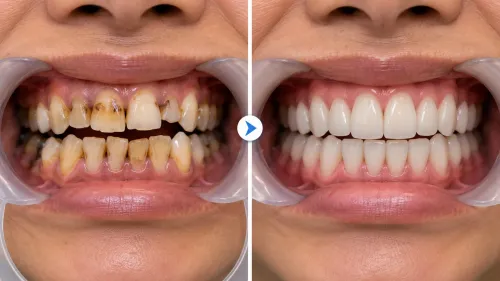
Professional Teeth Cleaning plays an important role in removing deposits that routine brushing cannot always manage, particularly once plaque has hardened into calculus.
Plaque and Calculus Are Not the Same
Plaque is a soft bacterial film that continually develops on teeth.
Regular brushing and interdental cleaning help remove it. When plaque remains on the teeth, minerals in saliva can cause it to harden into calculus, commonly called tartar.
Once calculus forms, ordinary brushing cannot remove it effectively.
Deposits frequently collect around the gumline and in areas that are difficult to clean at home.
What Happens During Professional Cleaning?
The exact procedure depends on the condition of the gums and amount of deposits present.
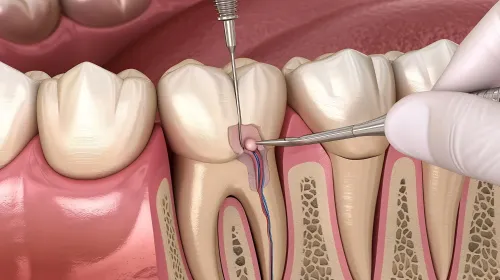
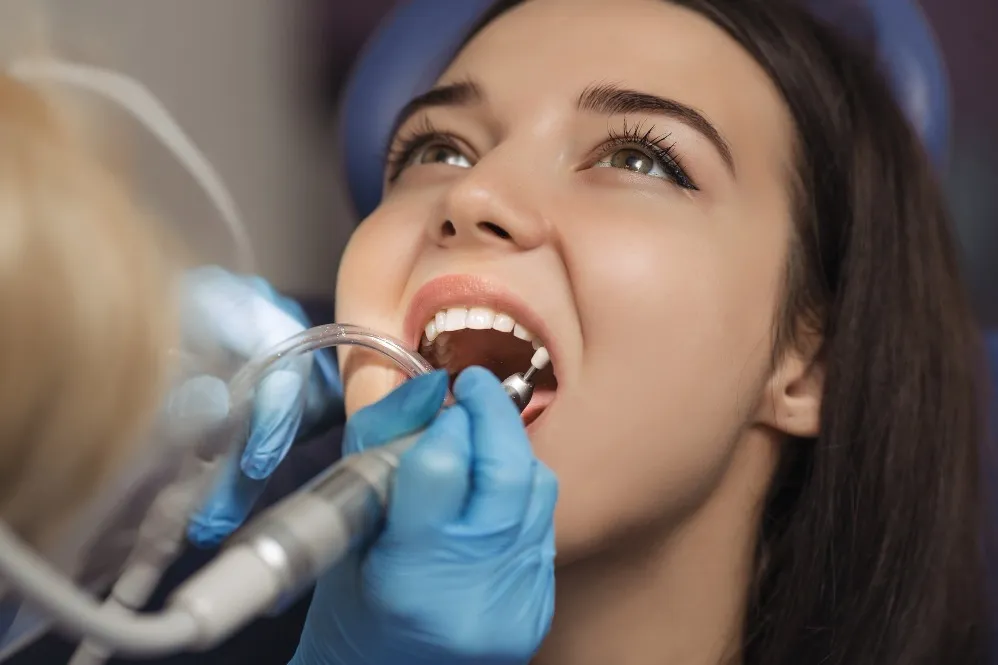
Dental instruments are used to remove plaque and calculus from appropriate tooth surfaces. The dentist may also evaluate the gums for inflammation, bleeding, pocketing, or other signs that suggest periodontal disease.
A routine cleaning for someone with relatively healthy gums is not necessarily the same as periodontal treatment for someone with established gum disease.
That distinction matters.
Does Bleeding Mean the Gums Are Weak?
Bleeding can be associated with gum inflammation and should not simply be accepted as normal.
Other factors can also contribute, so persistent bleeding deserves evaluation.
Common warning signs of gum problems include:
- Red or swollen gums
- Bleeding during brushing
- Persistent bad breath
- Gum recession
- Sensitivity near exposed roots
- Loose teeth
- Changes in spacing between teeth
When these signs are present, the aim is not merely to make the teeth look cleaner. The health of the supporting gums and bone must also be assessed.
How Often Should Teeth Be Professionally Cleaned?
There is no single interval that suits every person.
Someone with excellent oral hygiene and healthy gums may have different maintenance requirements from a patient with periodontal disease, orthodontic appliances, implants, crowded teeth, or a tendency to accumulate calculus quickly.
A suitable recall schedule should therefore be based on individual oral health.
Cleaning Does Not Replace Home Care
Professional cleaning and daily oral hygiene work together.
After deposits have been removed, plaque begins forming again. Consistent brushing and cleaning between the teeth help prevent rapid accumulation.
Technique also matters. Aggressive brushing is not necessarily better and may contribute to tooth or gum damage in some situations.
When Is a Dental Check Useful?
If it has been a long time since your last professional cleaning, or if you regularly notice gum bleeding, deposits, or persistent bad breath, an assessment can identify whether routine cleaning is sufficient.
For families and individuals in Hebbal, Dental Junction can assess gum health before recommending an appropriate cleaning and maintenance plan.
Regular Teeth Cleaning is not simply about creating a brighter-looking smile. Its more important role is helping control deposits around the teeth and supporting a healthier environment for the gums.
Keywords