Pain that settles and then returns around a wisdom tooth is not automatically a reason for extraction. By identifying the likely source, recognising urgent symptoms, and understanding what an examination and X-ray can show, you can compare monitoring, local treatment, and removal more safely.
Key takeaways
- Recurring pain can come from pericoronitis beneath a gum flap.
- Seek same-day dental assessment for spreading swelling, fever, or trouble swallowing.
- An examination and dental X-ray can identify the tooth and source of pain.
- Compare cleaning, monitoring, extraction, risks, recovery, and alternatives before deciding.
Is the wisdom tooth really causing the recurring pain?
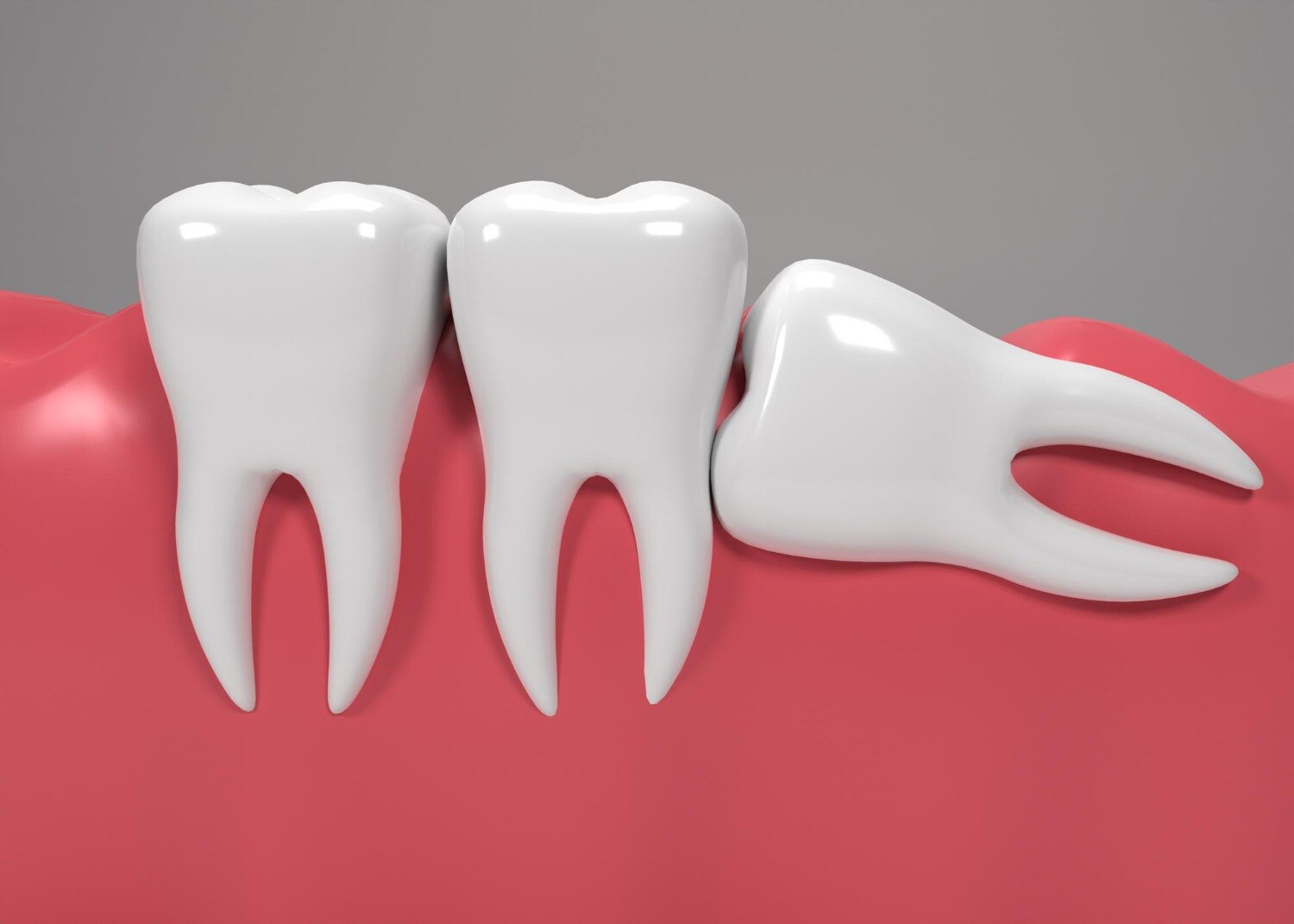
Recurring pain is not proof that the wisdom tooth is the source. Pericoronitis is inflammation beneath the gum flap over a partially erupted wisdom tooth. Food trapping under gum flap allows bacteria to collect, causing tenderness, swelling, foul taste, and repeated flare-ups.
Other problems can feel similar:
- Decay in the wisdom tooth can cause sensitivity, aching, or an abscess.
- An abscess in the gum can produce a local swelling and drainage beside either molar.
- A cracked tooth can hurt when you bite or release the bite, even without obvious swelling.
- Sinus pressure can cause a dull ache in the upper back teeth, often with congestion or facial pressure.
- Decay, infection, or gum disease in the neighbouring second molar can mimic wisdom-tooth pain and can worsen beneath the contact between the teeth.
A dentist must examine both molars, the gum flap, bite response, tooth cracks, drainage, gum pockets, and the surrounding gum and bone. The visibly swollen area does not identify the responsible tooth; treating it alone can leave the real infection behind.
Temporary improvement does not prove the problem has resolved. Trapped debris, repeated bacterial infection, an impacted tooth, or damage to the adjacent molar can remain after swelling settles, allowing the same pain to return.
Which symptoms need same-day dental assessment?
Seek same-day dental assessment if you have facial swelling, fever, pus, a foul taste or odour, difficulty opening your mouth, trouble swallowing, dehydration, or swelling spreading toward the eye or neck. These signs can indicate an infection around the wisdom tooth or neighbouring molar that needs examination, cleaning, drainage, or other dental treatment.
Difficulty breathing, drooling, rapidly spreading facial or neck swelling, or inability to open your mouth normally requires emergency care, not routine scheduling. An infection can threaten the airway; go to an emergency department or call local emergency services if breathing or swallowing saliva becomes difficult.
Use this threshold to decide where to go:
| Urgency | Signs | Action |
|---|---|---|
| Same-day dental assessment | Facial swelling, fever, pus, foul taste or odour, limited opening, trouble swallowing, dehydration, or swelling moving toward the eye or neck | Contact a dentist today |
| Emergency care | Difficulty breathing, drooling, rapidly spreading facial or neck swelling, or inability to open the mouth normally | Attend emergency care immediately |
Antibiotics do not remove a wisdom tooth, clear a gum flap, or repair a damaged second molar. For a localised infection, treatment focuses on irrigation, removing trapped irritants, drainage when needed, and definitive treatment of the source.
A dentist generally considers antibiotics when infection is spreading or systemic symptoms such as fever or malaise are present.
The dentist may control acute inflammation before extraction. After assessment, selected patients can have the tooth treated during active infection; timing depends on the infection, tooth position, mouth opening, and overall health.
What will the dental assessment determine?
A dentist starts with your medical and dental history: the timing and number of flare-ups, previous antibiotics, smoking, medications, and conditions such as diabetes or immune problems. Examination covers the gum flap, wisdom tooth, second molar, drainage, decay, gum pockets, bone loss, tooth mobility, and how widely you can open your mouth.
A panoramic radiograph shows the wisdom tooth’s angulation and impaction depth, root shape, damage to the adjacent tooth, cystic change, and its relationship to the mandibular canal. An intraoral X-ray gives a closer view of decay and changes around the roots or supporting bone.
Removal is supported by:
- Recurrent pericoronitis
- Decay that cannot be restored
- An abscess or cellulitis
- Periodontal damage or bone loss around either molar
- Resorption of the second molar
- Cystic or other pathological change
- An impacted tooth obstructing the adjacent tooth
After a first episode, a disease-free, manageable tooth can suit monitoring with periodic cleaning and irrigation. An impacted tooth seen on an X-ray alone does not prove extraction will help; individualized monitoring remains legitimate when disease and surgical risk are low. Conversely, repeated infection or demonstrable damage shifts the balance toward removal.
Which treatment option fits the tooth and the actual source?
The right choice depends on whether the wisdom tooth, its gum flap, or the neighbouring second molar is causing disease.
| Option | What it involves | When it fits |
|---|---|---|
| Observation with review | Examination and planned monitoring | A manageable tooth after a first, mild pericoronitis episode with no lasting disease |
| Local cleaning and irrigation | Removing trapped food and flushing the area | Localised inflammation that settles without structural damage |
| Gum-flap surgery | Removing tissue that repeatedly traps debris | Recurrent inflammation around an otherwise useful, accessible tooth |
| Wisdom-tooth extraction | Removing the affected tooth | Repeated episodes, abscess, non-restorable decay, bone loss, or damage to the second molar |
| Second-molar treatment | Filling or root canal treatment | Decay or infection in the second molar is the true source |
A first pericoronitis episode does not automatically require extraction. Repeated episodes or demonstrable disease shift the balance; a particularly severe first episode can also justify removal. Dental Junction can assess both molars and match treatment to the proven source rather than the most swollen area.
Position changes the surgical trade-off. A fully erupted tooth is usually easier to access than a partially erupted tooth; angled or horizontal impaction may require bone removal and increases complexity.
For a lower tooth, roots close to the inferior alveolar nerve or lingual nerve raise the risk of altered sensation in the lower lip, chin, or tongue.
If roots lie very close to the mandibular canal, ask whether coronectomy is suitable: it removes the crown but retains the roots. Do not use it for infected or mobile roots; retained roots can later need treatment. Upper teeth require assessment of proximity to the maxillary sinus.
Related service
Wisdom Tooth Removal Wisdom tooth removal is a common dental procedure to remove the third molars that may cause pain, swelling, or infection due to lack of space in the... View service → |
What should you compare before agreeing to removal?
Compare the expected benefit of extraction with its wisdom tooth removal risks, not with the discomfort of today’s flare-up alone.
| Question | Why it matters | What may change the decision |
|---|---|---|
| Which tooth is causing the pain? | The wisdom tooth, gum flap, or second molar may be responsible | Treat the proven source |
| What does the X-ray show? | It reveals angulation, impaction depth, root shape, bone loss, and nerve or sinus proximity | Removal may be simple or surgically complex |
| Can the second molar be restored? | Decay or infection there can mimic wisdom-tooth pain | A filling, root canal, or second-molar treatment may be the better option |
| What happens if the wisdom tooth is monitored? | A disease-free tooth may be reviewed and cleaned rather than removed | Balance another flare-up against surgical risk |
Ask how much bone removal the position requires and whether smoking or a medical condition raises healing or infection risk. For a lower tooth, ask about inferior alveolar or lingual nerve injury; for an upper tooth, ask about sinus risk.
Before agreeing, ask:
- Does active infection before extraction need control, or is treatment safe now?
- What local treatment will be used: irrigation, drainage, gum-flap treatment, or another option?
- Which symptoms require urgent review afterward?
Swelling often peaks during the first 48 to 72 hours, then improves. Pain that worsens after several days, especially with a bad taste or odour, can indicate dry socket or infection. A consultation can connect examination, imaging, and treatment alternatives so the plan matches proven disease rather than recurring symptoms alone.
Frequently asked questions
Is recurring pain proof that a wisdom tooth is causing it?
No. Pericoronitis around a partially erupted wisdom tooth is one possible cause, but the dentist must check for decay, infection in another tooth, gum disease, or jaw problems.
Which wisdom tooth symptoms need same-day dental assessment?
Seek same-day assessment for rapidly increasing swelling, fever, facial swelling, difficulty opening your mouth, trouble swallowing, breathing difficulty, or feeling severely unwell.
What will a dental assessment determine?
The assessment identifies the source of pain, checks the gum flap and nearby teeth, evaluates infection and tooth position, and uses dental imaging when needed to plan treatment.
What should you compare before agreeing to wisdom tooth removal?
Compare treatment options, the expected benefit, extraction risks, recovery time, the tooth’s position, and what happens if you monitor or treat the area without removal.