A severe toothache can make eating, sleeping, and concentrating difficult. Sometimes the pain comes and goes, leading people to delay a dental visit once it temporarily settles. However, pain originating from an inflamed or infected dental pulp may require more than a filling.
Root Canal Treatment is designed to treat the inside of an affected tooth while preserving the tooth itself whenever clinically appropriate.
What Happens Inside an Infected Tooth?
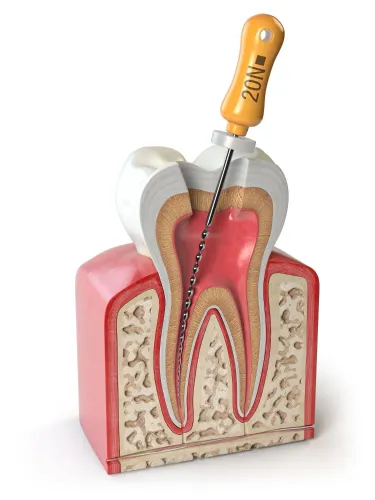
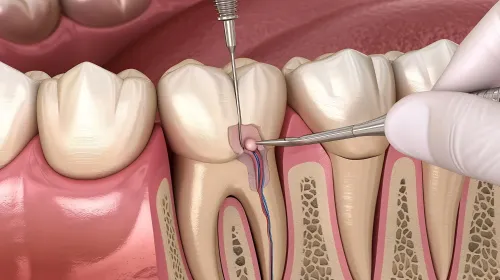
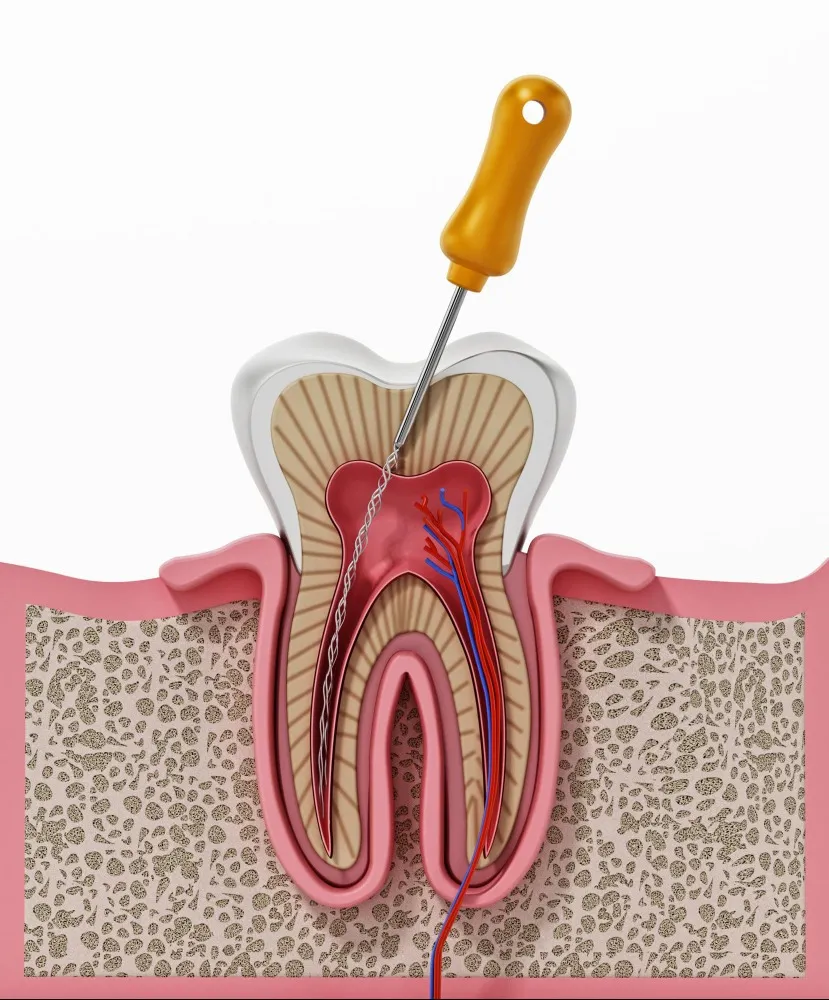
Beneath the enamel and dentine is a soft tissue called the dental pulp. It contains nerves, blood vessels, and connective tissue.
Deep decay, cracks, trauma, or other damage can allow bacteria to reach this inner tissue. Once the pulp becomes severely inflamed or infected, it may not recover without dental treatment.
Symptoms can vary considerably.
Some people experience:
- Persistent toothache
- Pain when biting
- Prolonged sensitivity to hot or cold
- Swelling around the tooth
- Gum tenderness
- A recurring pimple-like swelling on the gum
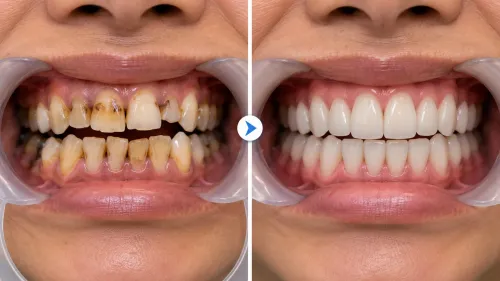
- Darkening of a tooth after injury
Interestingly, an infected tooth may eventually stop hurting if the pulp tissue loses vitality. The absence of pain does not necessarily mean that the underlying problem has disappeared.
What Does Root Canal Treatment Actually Do?
During treatment, the dentist accesses the internal canal system of the affected tooth.
Inflamed or infected tissue is removed, the canals are cleaned and disinfected, and the space is filled and sealed. The tooth is then restored appropriately.
The objective is to remove infection from within the tooth while retaining the remaining natural structure.
Root Canal Treatment Compared With Tooth Removal
When a tooth is severely infected, patients sometimes assume extraction is the quickest solution.
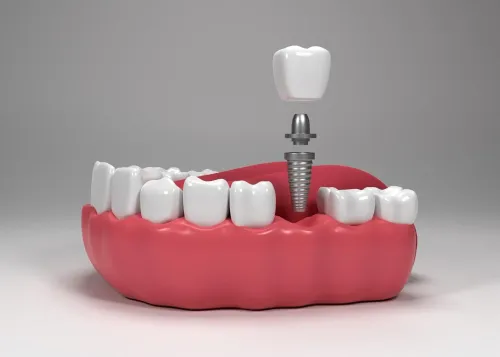
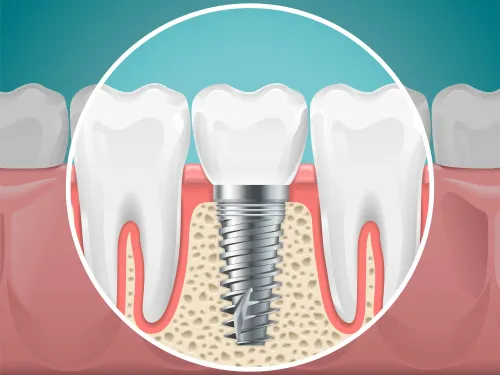
Removing the tooth eliminates that particular tooth, but it also creates a missing space. Depending on the location, replacing it later may involve a bridge, implant, or another prosthetic option.
If the tooth has adequate remaining structure and a reasonable prognosis, saving it may help maintain natural chewing function and avoid creating a new gap.
There are also situations in which a tooth cannot predictably be saved. Extensive fractures, insufficient remaining structure, severe periodontal damage, and certain other conditions can affect the decision.
This is why diagnosis comes before choosing between treatment and removal.
Is a Crown Always Needed Afterwards?
Not every root canal treated tooth receives exactly the same restoration.
Back teeth often experience substantial chewing forces and may require additional protection depending on how much tooth structure remains. Front teeth have different functional and aesthetic considerations.
The final restoration should therefore be planned according to the tooth rather than applying the same solution to every case.
When Should Tooth Pain Be Checked?
Persistent pain, swelling, pain while chewing, and repeated sensitivity deserve dental evaluation.
Residents of Bengaluru often delay appointments because work, commuting, school schedules, and family responsibilities make a manageable toothache seem easy to postpone. The condition of a tooth, however, can change while symptoms fluctuate.
For patients around Ashwath Nagar, Dental Junction can evaluate the source of tooth pain and determine whether Root Canal Treatment, a restoration, gum treatment, or another approach is appropriate.
Early diagnosis provides something particularly valuable in dentistry — more information and potentially more options for preserving the affected tooth.
Keywords